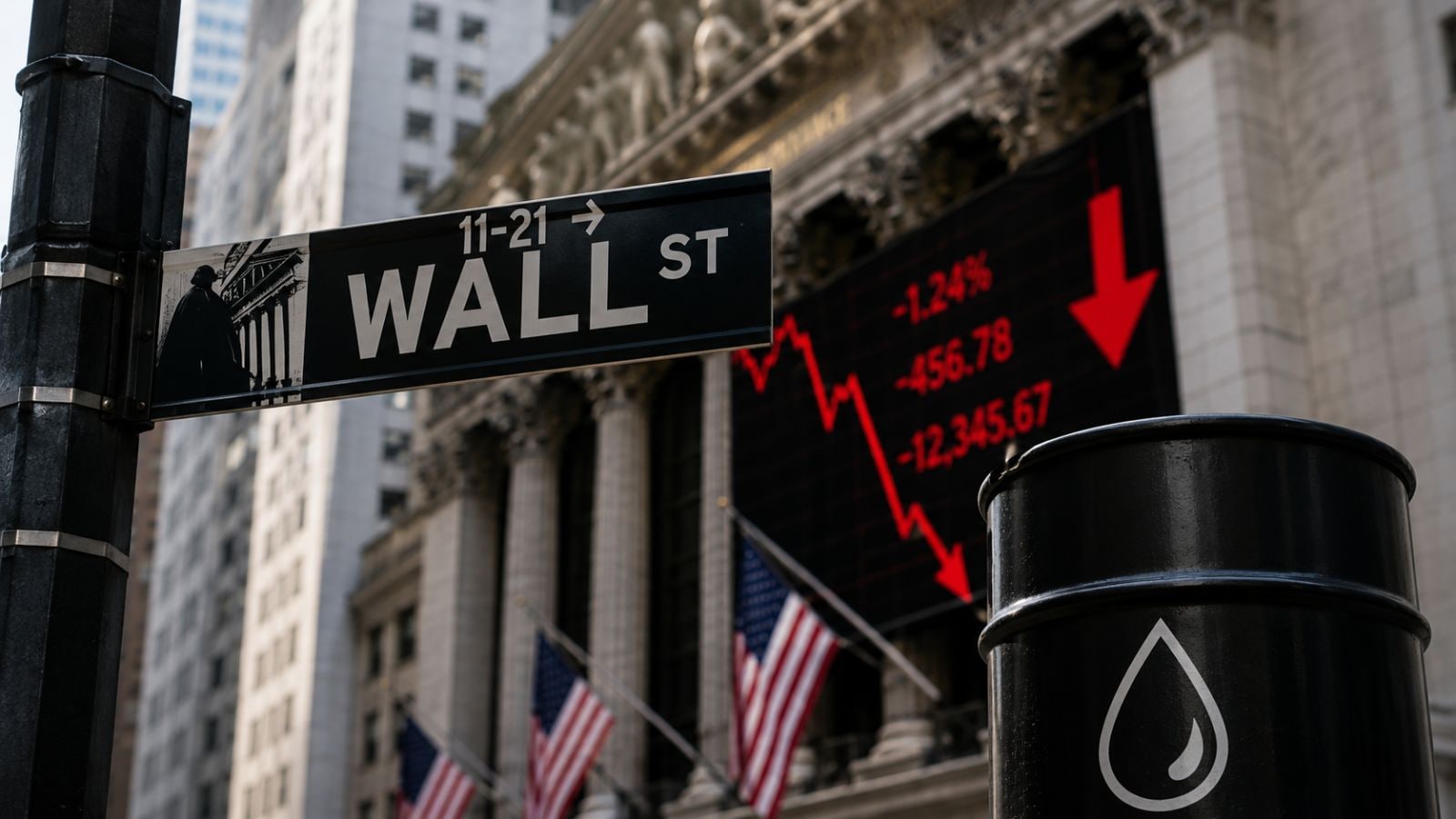
The BBC video URL you shared won't open directly from here due to source access limits, yet the story behind it is unmistakable. On November 25, 2026, right before Thanksgiving, the Office of the U.S. Trade Representative unveiled proposed new tariffs targeting 14 major trading economies.
That timing isn't accidental. Dropping trade bombshells ahead of a holiday weekend tests consumer patience while giving markets and diplomats a pause to digest the numbers. Discover more on a related subject: this related article.
Here's the catch most quick clips skip. These levies aren't instant border taxes hitting containers tomorrow morning. They sit in a formal rulemaking pipeline, and they're built on a very specific legal pivot after the U.S. Supreme Court struck down the administration's earlier emergency-powers tariffs in February 2026.
Why Trump Thanksgiving Tariffs Matter Right Now
If you run a business that imports goods or if you're just tired of watching grocery and household bills creep higher, you've probably felt whiplash over the past year. Tariffs went from sweeping emergency orders to a temporary surcharge, and now they're shifting into targeted Section 301 proposals aimed at what Washington calls structural excess manufacturing capacity. More journalism by Business Insider highlights similar perspectives on the subject.
According to the U.S. Trade Representative's November 25, 2026 announcement, the proposals follow an eight-month investigation launched in March 2026 into 16 trading economies. Fourteen received proposed tariff actions, while determinations for Mexico and Norway remain pending.
Let's look at what's actually on the table and where the real friction lies. First, the proposed rates aren't one-size-fits-all across the board. Some economies face caps tied to existing bilateral understandings, while others face steep potential hikes depending on whether trade deals get wrapped up.
- China: Proposed tariffs of up to 20%, building on existing duties and reflecting prior trade commitments.
- Vietnam: Proposed rates of up to 35%, or 20% if a trade deal is completed.
- India: Proposed rates of up to 25%, or 17% if a trade deal is completed.
- Singapore: Proposed rates of up to 20%, or 10% if a trade deal is completed.
- Bangladesh, Cambodia, Indonesia, Malaysia, and Thailand: Proposed rates of up to 18%.
- European Union, Japan, South Korea, Switzerland, and Taiwan: Proposed rates tied to a 15% cap framework.
Notice that detail about Vietnam, India, and Singapore. Washington is dangling lower numbers if those governments cut deals. That turns a tariff schedule into a negotiating lever, not a fixed wall.
The Legal Pivot Behind the New Proposals
To understand why this round looks different from earlier moves, you have to look at the courtroom. In February 2026, the U.S. Supreme Court ruled against using emergency powers under the International Emergency Economic Powers Act to impose the administration's sweeping tariffs.
After that ruling, the administration leaned on Section 122 of the Trade Act of 1974 for a temporary import surcharge while laying groundwork under Section 301 of the same act. Section 301 gives the U.S. Trade Representative authority to investigate and respond to foreign government acts, policies, or practices deemed unreasonable or discriminatory that burden U.S. commerce.
Switching legal tracks matters a ton. Section 301 comes with statutory steps—public notices, comment windows, and hearings—rather than pure overnight decree. That slower track gives importers time to plan, though it also drags out uncertainty for months.
What Happens Next on the Timeline
Nobody should treat November 25 as the start of collection on these new proposed duties. The U.S. Trade Representative has laid out a formal process with real calendar markers:
- January 5, 2027: Written comments and requests to appear at public hearings are due.
- January 25, 2027: Public hearings on the proposed actions are scheduled to begin.
- After January 25, 2027: The agency can move toward finalizing actions, with final rates and effective dates still subject to review and potential adjustment.
If you're ordering inventory for spring 2027, that timeline is huge. You're looking at commentary in early January and hearings later that month before final rules lock in.
What Quick Headlines Get Wrong About These Duties
A lot of social media posts treat every tariff headline like an immediate price hike on every shelf item. Honestly, that's lazy shorthand.
First, proposed tariffs aren't final tariffs. Rates can shift between proposal and final determination, and exemptions or deal carve-outs can reshape who actually pays. European officials, for example, have pointed to joint trade commitments and existing ceiling terms as they engage with Washington.
Second, businesses have spent years adapting to tariff shifts. Many companies already moved sourcing out of China into Southeast Asia or South Asia—which is why countries like Vietnam, India, Malaysia, Thailand, Indonesia, and Cambodia show up right there on the list. You can't just dodge a tariff by shifting assembly to a neighbor if Washington follows the supply chain.
Third, there's a real tension between campaign promises and household budgets. Supporters argue tariffs push back against subsidized overproduction and protect domestic factories, while critics—including small-business advocates and lawmakers—warn they raise costs for American buyers and squeezed importers. An NBC News exit poll after the midterm elections reflected deep voter frustration with tariff impacts on the economy, and incoming leaders in Congress have signaled plans to push back, even though overturning tariffs faces steep legislative hurdles and veto risks.
Practical Next Steps for Businesses and Shoppers
From working with supply-chain teams and watching trade rules play out, the worst mistake people make is freezing or panicking on day one. What actually works is disciplined preparation while the record is still open.
If you buy or import goods tied to any of the 14 economies, map your exposure by country of origin and Harmonized Tariff Schedule code right now. Don't guess—check your actual supplier mix and ask factories where raw inputs and sub-assemblies originate.
If your company has a stake in the outcome, consider submitting written comments or coordinating through your trade association before the January 5, 2027 deadline. Regulators look at concrete supply-chain data, not vague complaints.
For everyday shoppers, skip panic-buying random items just because a headline mentions Thanksgiving tariffs. Focus on big-ticket replacements or seasonal items you already planned to buy, watch how retailers adjust pricing heading into early 2027, and keep a cushion in your budget while trade policy stays in motion.