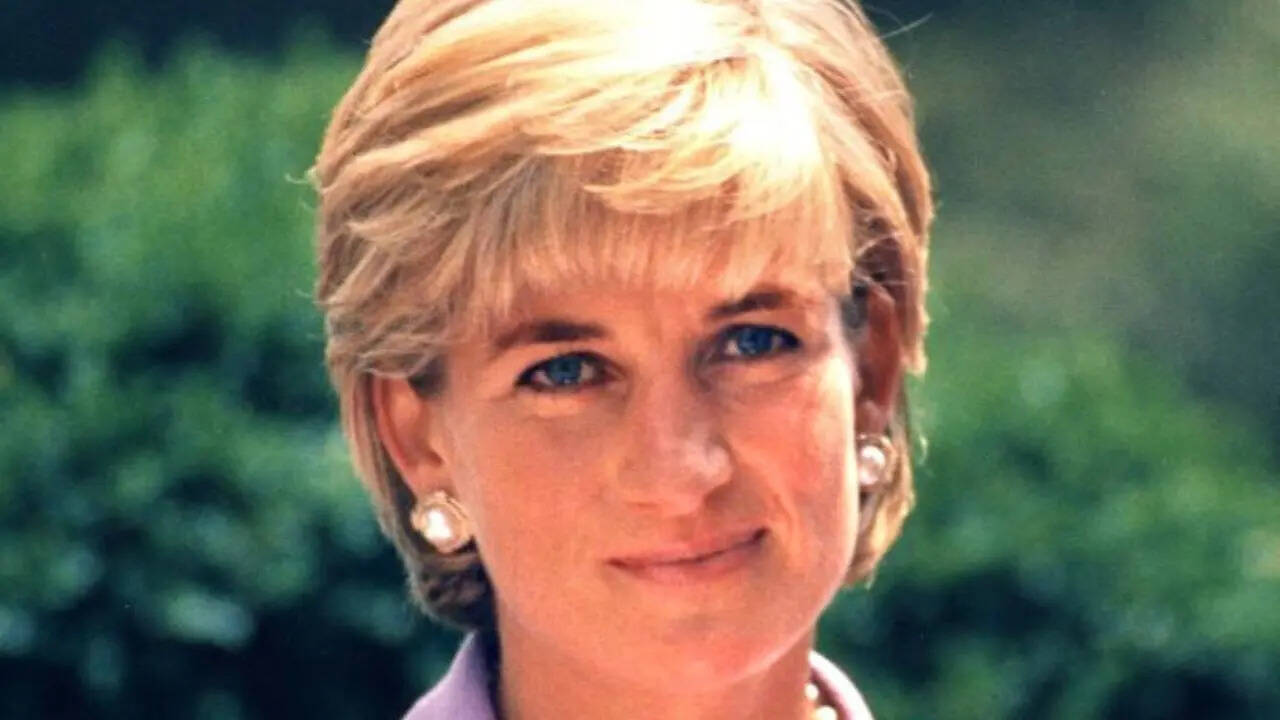
You’ve probably seen the quote sliding across your social media feeds, stamped onto a pastel background or typed out neatly on a corporate slide.
“Carry out a random act of kindness, with no expectation of reward, safe in the knowledge that one day someone might do the same for you.”
It sounds like a gentle, sweet, harmless greeting card sentiment. It feels like the kind of soft advice that public figures hand out when they want to say something nice without saying anything at all.
But honestly, that reading completely misses the point.
When Princess Diana spoke those words, she wasn’t serving up bland, comfortable fluff. She was pitching a highly disruptive approach to human connection that cut straight through the transactional culture of high society and royal expectations. We live in an era where actions are constantly tracked, measured, and monetized for online clout. Understanding what she actually meant changes how you see your daily interactions.
The Anti-Transactional Reality of Her Life
To understand why this philosophy was so sharp, you have to look at the world Diana inhabited. Her life operated under a heavy microscope. Palace handlers scheduled her public appearances down to the minute. Paparazzi lenses captured every facial expression.
In that environment, charity was a corporate asset. Traditional royal charity work was structured, photographed, and carefully budgeted to build public goodwill. It was a transaction: the institution gave its presence, and in return, it received public loyalty and press points.
Diana broke that expectation by stepping outside the script. She frequently slipped out of Kensington Palace at night without a press crew. She sat on the edge of beds in London hospitals, talking with dying patients. She shook hands with HIV-positive patients at a time when public fear and medical ignorance had isolated them from society.
When she emphasized doing things with no expectation of reward, she was targeting her immediate surroundings. She knew that true compassion loses its weight the moment you use it as a marketing strategy or a social bargaining chip.
The Brain Science Behind Spontaneous Giving
The idea of a random act of kindness sounds purely emotional, but it actually maps directly to human biology. Your brain knows when you’re trying to game the system for points.
When you perform a truly spontaneous kind act without looking for a kickback, your brain undergoes a sudden chemical shift. Psychologists call this the helper’s high. Research from the Greater Good Science Center at UC Berkeley reveals that genuine altruistic behavior drops a chemical cocktail directly into your nervous system.
- Dopamine surges: You get an immediate, sharp hit of satisfaction.
- Oxytocin floods the system: This reduces systemic inflammation and lowers your blood pressure.
- The amygdala cools down: The brain’s main stress center actively quietens.
The catch is that this neurological reward system depends heavily on your intent. If you hold the door for someone or buy a colleague coffee simply because you want them to owe you a favor later, your brain treats it as a standard business transaction. The stress center stays active, and the chemical release flattens. Spontaneity triggers the neurological benefits because surprise heightens the reward response for both your brain and the person receiving the gesture.
The Math of Upstream Reciprocity
The second half of Diana’s quote is the part people usually gloss over: “safe in the knowledge that one day someone might do the same for you.”
It sounds like wishful thinking. It sounds like an unbacked promise that the universe will balance your books if you do nice things. But social scientists have studied this exact mechanic, and it turns out to be a traceable behavioral pattern called upstream reciprocity.
A study published in the Proceedings of the National Academy of Sciences tracked how behavior ripples through networks of people. The researchers discovered that when a person experiences a direct, unexpected act of care, they don’t just feel good—their behavior changes. They become significantly more likely to treat a third party with generosity later that same day.
The data showed that a single act cascades outward up to three degrees of separation. You do something small for a colleague. That colleague goes home and shows extra patience to their child. That child helps a classmate the next morning. The chain is loose and completely unmonitored, but it shifts the baseline behavior of people you will never meet.
It breaks the defensive, hurried crust that most of us carry around in public spaces. Think about the classic drive-thru chain reaction where one driver pays for the car behind them. It doesn't last for hours because people are trying to save money; it lasts because the unexpected break in daily routine forces a sudden re-evaluation of how we treat strangers.
How to Apply It Without Being Cringe
The biggest mistake people make with this quote is turning it into a performance. If you post about your good deed on LinkedIn to build your personal brand, you didn't do a random act of kindness. You bought advertising space using someone else's vulnerability.
True random kindness requires total detachment from the result. You do the action, you step back, and you forget about it.
Here is how it actually works in standard daily environments:
- In the workplace: It looks like taking five minutes to fix a formatting error on a colleague's document without adding a note that says "I fixed this for you." It means giving someone extra time on a internal deadline when you have the buffer, without making them feel small for needing it.
- In public spaces: It means acknowledging people who are routinely ignored. Hold the elevator. Clear a stray shopping cart from an empty parking space so it doesn't ding a stranger's car. Step aside on a crowded sidewalk.
- In your household: It’s taking care of a grating chore—like emptying the dishwasher or taking out the bins—specifically when it isn't your turn, and not mentioning it when your partner gets home.
None of these actions require a massive budget or a major calendar commitment. They just require you to pay attention to your surroundings instead of your phone.
Your Next Steps
Stop waiting for the perfect opportunity or a grand charitable cause to balance your personal ledger. Pick one tiny, unrecorded thing today.
Do it for a stranger, a coworker, or someone in your house. Ensure there is zero chance you will get credit, a thank-you, or future leverage from it. Walk away immediately after. Watch how it changes the rhythm of your day, then let the network handle the rest.