When a routine summer beach trip turns into a fatal struggle against the tide, the aftermath leaves communities grappling with a harsh reality. Coastal waters look inviting on hot days, but hidden currents hide deadly force. Wayne Taylor understood that risk the moment his children got into trouble in the sea off Seaton Carew beach in Hartlepool. He plunged in to save them, alongside another bystander who also lost his life during the desperate rescue attempt.
Understanding the Hidden Threat of Riptides
Most people don't realize how quickly a calm-looking shore can turn lethal. Riptides don't care how strong of a swimmer you are. They pull even seasoned athletes away from the shore faster than anyone can swim against them. When panic sets in, exhaustion follows in minutes.
On that Sunday afternoon, what started as a family outing shifted into a major emergency response involving Cleveland Police and RNLI lifeboats. Two children found themselves trapped by the churning waves. Their father reacted instantly, driven by instinct. Another man nearby, walking his dog, saw the crisis unfold and ran into the water to help. Both men tragically lost their lives, while the children were ultimately brought to safety and treated at a hospital as a precaution.
The Heavy Toll on Rescuers and Families
Eyewitness accounts highlight the sheer chaos of open water emergencies. Davey Short, a bystander who entered the water to help pull a child to shore, described the harrowing scene. He recalled how fast the situation escalated and how difficult it was to fight the powerful waves.
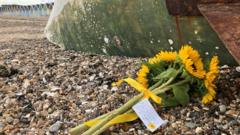
Tributes have since poured in for Wayne Taylor, remembered by friends as a dedicated father and a true friend. A GoFundMe campaign was launched to support his family with funeral costs, raising significant support from a grieving community. But financial aid doesn't erase the trauma left behind for the children and partner who witnessed the tragedy from the sand.
Practical Steps for Coastal Safety
You can't always predict a rip current, but you can change how you approach open water. Respecting local warning flags saves lives.
- Check local conditions: Look for lifeguard stations and warning signs before stepping foot near the water.
- Never swim alone: Always keep someone on shore who can call for professional help immediately if things go wrong.
- Fight the panic, not the current: If you get caught in a rip current, don't swim straight back against it. Swim parallel to the shore until you clear the current, then head back to land.
- Call 999 or 112: If you see someone in trouble, alert emergency services or lifeguards right away instead of blindly jumping in and becoming another victim.
Open water demands absolute respect. Understanding the risks keeps a family day out from turning into a permanent sorrow.
Family remembers life of father who saved son from drowning
This video provides perspective on the profound impact fathers have when making ultimate sacrifices for their children during water emergencies.