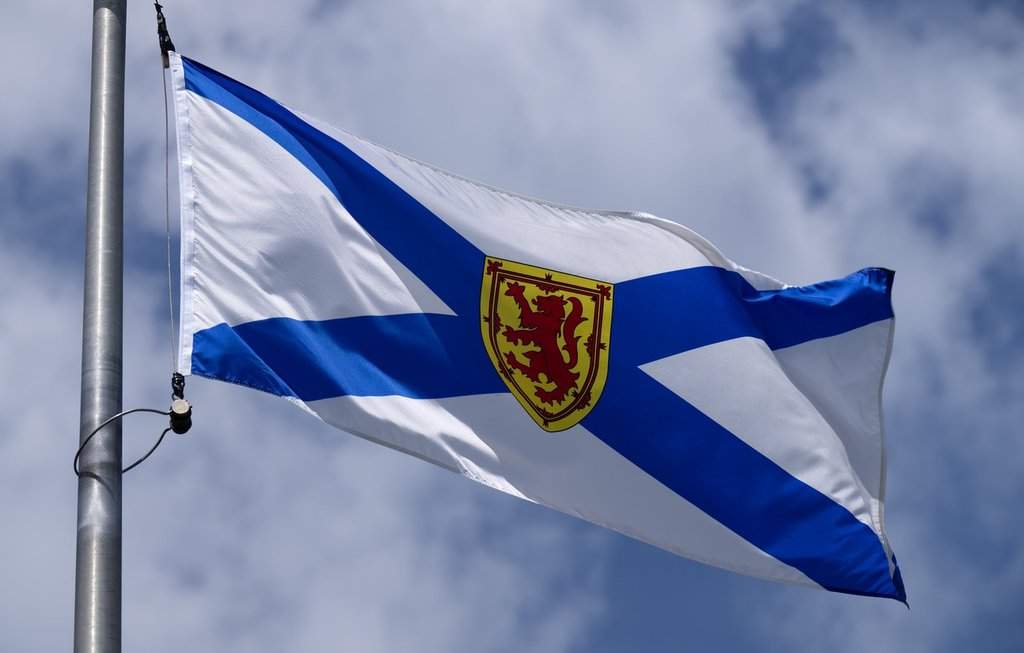
Five kids hurt on a Saturday night in New Waterford, Nova Scotia, and suddenly a seasonal ride's licence is suspended before the weekend dust even settles. That's what happened after the malfunction at the Bree Cadden Memorial Santa in the Park event in Cape Breton, where a carousel-style swing ride carrying roughly eight children tipped over in front of a crowd.
Honestly, a quick wire report tells you what happened, not why it matters to parents standing near a carnival ride twenty minutes later. When Nova Scotia's Labour Department pulls an amusement ride licence, it isn't just a slap on the wrist. It freezes the machine's legal right to operate while inspectors dig into safety standards, maintenance records, and regulatory compliance—often alongside police reports, such as the one requested from Cape Breton Regional Police.
Most people assume a "safe" ride means it's bolted down tight and looks sturdy enough for a kid's weight. Wrong. Portable rides and seasonal setups deal with uneven ground, shifting loads, cold weather, and rapid teardown-and-rebuild cycles that punish weak joints or rushed setup checks. When a swing carousel topples, even without reported serious injuries, the gap between no serious injuries and a tragedy can be a few inches of clearance or a split second of timing.
Why Amusement Ride Licence Suspensions Happen After Accidents
A licence suspension isn't automatic drama—it's a regulatory brake. In Nova Scotia, the Labour Department oversees amusement device safety, and when an incident involves injuries or a clear malfunction, pulling the licence stops the ride from moving to the next community event while investigators look into whether rules and safety standards were met.
Think about how portable holiday rides work in small towns and municipal parks. Unlike permanent theme parks with fixed concrete pads and full-time engineering crews on site all year, community events often rely on mobile equipment brought in for a specific weekend or seasonal festival. That makes post-incident oversight critical. If a ride malfunctions and isn't immediately pulled from service by regulation, an operator could theoretically pack up and keep running elsewhere before anyone checks what failed.
At the same time, regulators have to be careful not to jump to conclusions on camera. A video clip showing a swing ride tipping amid shouts looks terrifying—and it is frightening for families watching—yet officials still have to separate what looked chaotic on screen from the mechanical, structural, or operational cause. In the New Waterford incident, the Labour Department noted it was too early to pinpoint what caused the malfunction while preparing its accident report.
What Parents Often Miss About Portable Holiday Rides
Kids hear "Santa in the Park" or "holiday carnival" and see lights, music, and fun. Parents see a cheerful seasonal tradition and let their guard down a bit. I get it. You want your kids to have a normal, happy weekend, and nobody wants to be the anxious parent reading safety manuals at a Christmas event.
Still, there are a few realities about seasonal rides that don't show up on a festive flyer:
- Minor injuries don't mean a minor failure. Reports from the New Waterford incident indicated five children were treated at the scene with no indication of serious harm. That's a huge relief. Yet a ride toppling with eight children aboard points to a serious operational or mechanical problem, not a routine bump.
- Crowd videos don't tell the whole engineering story. Viral clips capture raw emotion and movement, not load distribution, anchoring, restraint integrity, or operator controls. Regulators need physical inspection and police or witness accounts to piece that together.
- Silence from an operator raises fair questions. When a ride company declines comment right after a malfunction involving kids, families naturally wonder about maintenance habits and accountability. While companies aren't always ready to speak before facts are verified, transparency builds trust fast; stonewalling does the opposite.
Let's be fair, though. Not every malfunction comes from neglect. Parts can fail unexpectedly, weather or ground conditions can play a role, and sometimes an investigation clears up assumptions that looked obvious at first glance. Good safety reporting means waiting for verified findings instead of inventing a villain before the inspection report is finished.
How Investigations Actually Uncover What Went Wrong
When labour inspectors and police step in after a ride accident, they aren't just asking whether the ride looked okay before opening gates. They look at the whole chain around the machine.
First comes scene and equipment preservation. Investigators examine the ride's structure, moving parts, mounting or support points, and any visible damage before anything gets altered or moved carelessly.
Second comes compliance and records. Regulators check licensing status, inspection history, operating procedures, and whether the ride was run according to applicable safety standards and municipal or event requirements. Pulling the licence right away keeps the device sidelined until those boxes are checked.
Third comes human and environmental context. How many riders were on board? How was weight distributed around a spinning or swinging apparatus? Was the ground level and stable? What did witnesses and police observations show? In New Waterford, with roughly eight children on a swing carousel when it toppled and five hurt, every detail of how the ride behaved matters.
Practical Next Steps for Parents and Event Organizers
If you're heading to a local fair, winter festival, or community market with kids—or helping organize one—you don't need to panic and cancel every outing. You do need a sharper eye.
- Watch a full cycle before your child gets on. Don't just look at the bright lights. Watch how smoothly the ride starts, spins or swings, and stops, and check whether restraints are properly secured on every seat.
- Check the ground and setup area. Look for level footing, solid barriers, and clear space around moving swings or arms so nothing can clip or tip easily.
- Pay attention to operator habits. Notice whether the operator is actively watching riders and controls, or distracted and rushing load-ins and load-outs. If something looks off or hurried, trust your gut and skip the ride.
- If you're organizing a community event, verify licensing and oversight early. Confirm that ride operators hold active provincial approvals/licences, ask about safety protocols ahead of time, and have a clear incident response plan—including immediate shutdown and emergency medical access—before gates open.
- Follow official updates rather than rumor. After an incident like the one in New Waterford, look for findings from labour regulators and municipal or police officials rather than relying solely on secondhand social media speculation.
Holiday events should leave families with good memories, not a scare in the park. Keeping a close eye on how rides operate—and backing strong safety enforcement when things go wrong—is how communities keep the fun real and the risks low.