Whispers of a breakthrough always travel fast when retired generals and seasoned diplomats gather in a luxury hotel. That's exactly what happened at the Hilton Colombo recently. Indian and Pakistani delegations quietly held informal discussions on the sidelines of a regional security conference. Headlines immediately flared up, framing this as a significant step toward thaw.
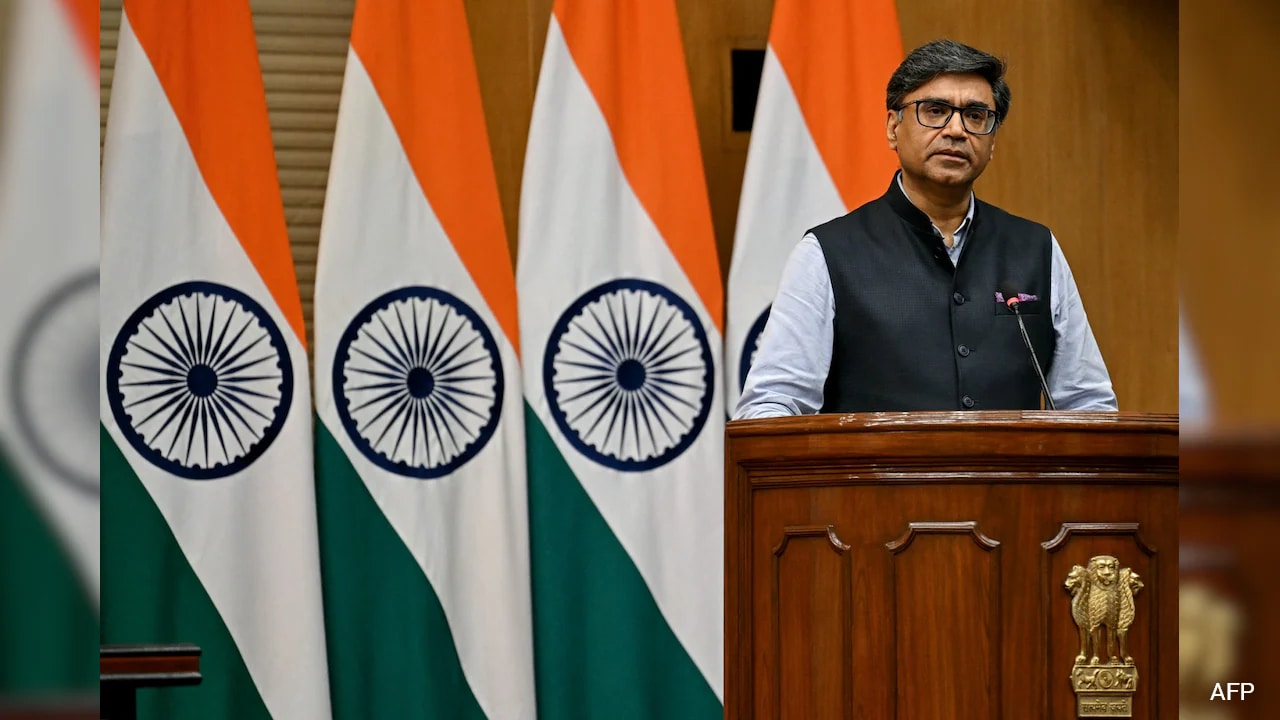
But let's look at the reality. The Indian government wasted no time in pouring ice water on the excitement. Foreign Secretary Vikram Misri flatly stated that these private events hold no real value for official policy. New Delhi refuses to acknowledge them as a shift in relations.
The truth is that these back-channel setups are common, but they rarely alter the actual geopolitical landscape when the official stance remains frozen. If you want to understand why this Colombo meeting happened and why it won't change anything anytime soon, you have to look at the massive gap between private dialogue and public policy.
The Players at the Hilton Colombo
The meeting took place during the annual South Asia Dialogue hosted by the International Institute for Strategic Studies, a British think tank. Because it drew delegates from multiple nations, including the UK, US, and Afghanistan, it offered a convenient cover for Indian and Pakistani attendees to sit down for separate, off-the-record chats over a day and a half.
The roster looked impressive on paper. The Indian side featured major names like former Army Chief General M.M. Naravane, India Foundation President Ram Madhav, and former diplomat Ruchi Ghanashyam. The Pakistani delegation brought big hitters too, including Pakistan Peoples Party leader Sherry Rehman and retired Major General Isfandiyar Ali Khan Pataudi.
Crucially, Pakistan also sent a serving diplomat: Sajjad Haider Khan, the Foreign Ministry's Director General for South Asia. This led some observers to try and label the event a Track-1.5 dialogue—a mix of official and unofficial talks. But India shot that down immediately. Since no serving Indian officials participated, New Delhi treats it as purely Track-2, meaning completely private and non-binding.
Why These Private Talks Keep Happening
This Colombo gathering isn't an isolated incident. It is actually the latest in a series of quiet, back-channel meetings that have taken place since the sharp military escalation in May 2025. That conflict, triggered by the Pahalgam terror attack and followed by India's Operation Sindoor, brought the nuclear-armed neighbors to a dangerous four-day standoff involving intense cross-border fire and drone operations.
Ever since the May 2025 ceasefire, both countries have used neutral venues like London, Doha, Bangkok, and now Colombo to keep lines of communication open. The agendas at these meetings are highly practical. Delegates focus on:
- Crisis management and communication protocols to prevent accidental escalation.
- Shared water resources and cross-border river management.
- Basic ground rules for handling terrorism intelligence.
There's a school of thought within India's strategic community that favors this approach. Even senior figures within the broader nationalist ecosystem have noted that while India must aggressively defend its borders, it should keep some channel open for dialogue. General Naravane himself has publicly supported the idea that people-to-people connections and informal diplomacy matter during deep freezes.
Why New Delhi Considers the Dialogue Worthless
Despite the high-profile guest list, the Ministry of External Affairs remains entirely unmoved. India's official position has been set in stone for years: talks and terrorism cannot go together.
From New Delhi’s perspective, acknowledging these meetings as meaningful gives Pakistan a free pass. It allows Islamabad to project an image of diplomatic engagement and normalization to the international community without taking real, verifiable action against the terror infrastructure operating from its soil. By declaring that these meetings hold no value, India signals to global powers—including US officials like Assistant Secretary of State S. Paul Kapur, who happened to attend a dinner at the same Colombo event—that private chats won't shift India's core security demands.
Furthermore, Track-2 diplomacy fundamentally lacks the authority to enforce any agreements. A retired general or a think-tank chief can brainstorm brilliant crisis-management ideas over coffee in Sri Lanka, but they don't hold the keys to the policy machine in New Delhi. Without official state backing, the discussions remain purely academic.
Moving Beyond the Hype
If you're tracking South Asian geopolitics, don't get distracted by the optics of luxury hotel diplomacy. These quiet meetings are useful for one specific thing: preventing a localized border skirmish from turning into a full-scale war by keeping a basic line of communication alive. They are safety valves, not peace treaties.
True diplomatic movement will only happen when there is a shift in official behavior, starting with visible enforcement against terror groups. Until then, treat these Track-2 meetings exactly as the Indian government does—as private academic exercises that make for interesting headlines but carry zero weight on the ground.
If you are analyzing regional security risks or corporate interests in South Asia, look directly at official military deployments, trade policy metrics, and formal state statements. Relying on Track-2 rumors will only give you a false sense of where the relationship is actually heading.