Russian universities used to be a safe haven from military conscription. That safety net is gone.
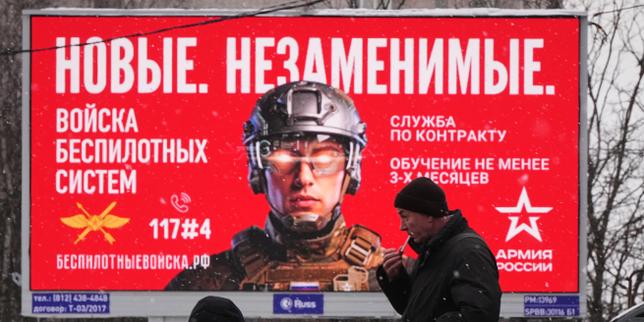
Over the past few months, campus noticeboards from St. Petersburg to Vladivostok have filled up with glossy posters. The pitch sounds incredibly enticing. Ditch your classes for a year, fly high-tech drones from comfortable positions miles behind the front lines, and pocket multi-million-ruble bonuses while securing free tuition upon your return. Some universities even offer up to 5 million rubles—roughly $68,000—a mind-boggling sum for a 20-year-old student in regional Russia.
It sounds like a dream gig for tech-savvy gamers and engineering majors. In reality, it's a dangerous trap.
Russian military recruiters aren't looking for tech talent out of generosity. They're desperately trying to plug massive combat gaps in their newly established Unmanned Systems Forces. Moscow set an ambitious goal to recruit nearly 80,000 personnel into specialized drone units by the end of the year. But as traditional recruitment pools like prisons and low-income volunteer cadres run dry, the Kremlin is turning its gaze toward the two million young men currently enrolled in higher education.
Here's how the student drone recruitment machine actually works, what recruits are promised versus what they actually face, and why this strategy exposes a massive vulnerability in Moscow's long-term military calculations.
The Illusion of a Safe Tech Job Behind Front Lines
If you talk to young men across Russian campuses, the sales pitch they hear centers on one core idea: safety.
Military administrators and university rectors host mandatory assemblies in lecture halls. They play slick promotional videos aimed directly at e-sports competitors, software programmers, and drone hobbyists. The messaging insists that drone operators aren't infantry. They won't be digging trenches under artillery fire. Instead, recruiters frame the role as a modern, sanitized form of warfare where operators sit in air-conditioned command posts far behind active combat zones.
The numbers being tossed around are staggering. At St. Petersburg State Medical University, pamphlets highlight priority recruitment for gamers and programmers with compensation packages reaching 3.4 million rubles. At Bauman Moscow State Technical University, one of the country's top engineering schools, students receive promises of full combat veteran status and guaranteed academic reinstatements after a single year of service.
Russian military legal experts and human rights organizations tell a drastically different story.
When a student signs a contract, they aren't joining an elite, protected tech detachment. They are enlisting as standard military service personnel. Under Russia's current mobilization laws, indefinite military service rules apply. That one-year timeline advertised on campus posters? It's legally unenforceable once the contract is signed. A field commander can reassign a drone operator to frontline infantry duties at any point based on battlefield needs.
Worse still, drone pilots aren't safe behind the lines. Signal interception and electronic warfare tracking make drone operator positions top-priority targets for enemy counter-artillery and sniper fire. Data compiled by independent monitoring groups and legal defense initiatives like Idite Lesom indicate that mortality rates among UAV operators have soared to levels comparable to artillery units.
Coercion, Threats, and University Complicity
This isn't just about tempting students with cash bonuses. In many cases, voluntary recruitment quickly turns into systemic coercion.
University rectors and administrators are playing an active role as recruiters. At the Moscow State Academy of Law, administrators personally escorted students to draft boards, praising their enlistment as a civic duty. Other institutions have formed dedicated internal military detachments to streamline student enlistments.
When patriotic appeals and financial incentives fail, administrators break out the stick.
Student advocacy groups like Groza have documented hundreds of calls from desperate students facing aggressive intimidation. At the Kazan Innovative University, video footage captured a college director falsely informing a group of struggling students that they had already been expelled—and that their only pathway back into academia was speaking with military recruiters waiting in the building. Other schools use threats of immediate academic failure, loss of dormitory housing, or sudden revocation of draft deferments to force students into signing military papers.
For young men in Russia, refusing to cooperate carries severe risks. You either take the contract or risk getting expelled, losing your student deferment, and being drafted straight into standard infantry units anyway. It creates an environment of total helplessness.
What Leaked Military Documents Reveal About the Numbers
The sheer scale of this academic recruitment push isn't an accident or a localized effort. Internal Russian Ministry of Defense documents leaked online reveal a massive, organized effort to build the Unmanned Systems Forces.
The technical assignments and planning documents show the exact structure Moscow wants to construct:
- 7 separate brigades
- 15 specialized regiments
- 70 dedicated drone battalions
- 12 heavy UAV companies and 12 ground robotic complex companies
Out of the nearly 80,000 personnel required to fill these new formations by the end of 2026, the Russian Ministry of Defense explicitly targets 58,000 recruits from civilian university courses, technical colleges, and specialized drone training programs.
Military training centers housed inside 32 civilian universities across Russia were assigned explicit annual recruitment quotas. The targets demand nearly four times as many recruits as those programs currently graduate each year. To make up the deficit, regional authorities have turned civilian campuses into feeder grounds for military training centers located in occupied regions like Donetsk, Luhansk, and Crimea.
Trading Russia’s Economic Future for Short Term Battlefield Needs
Siphoning technical talent out of universities to solve immediate combat shortages carries massive economic risks.
Russia is already grappling with acute labor shortages across technology, engineering, and advanced manufacturing sectors. By pulling thousands of computer scientists, engineers, and mechanics out of higher education, the Kremlin is cannibalizing its own future workforce.
Young men who should be designing civilian infrastructure, developing domestic software, or building industrial capacity are instead being deployed to high-risk combat zones. Many will not return. Case details published by monitoring projects highlight stories like 23-year-old student Valery Averin from Buryatia, who left his studies in January after signing a UAV contract, only to be killed in combat three months later.
This strategy demonstrates the Kremlin's willingness to sacrifice long-term economic stability and human capital to sustain its war machine.
How Students and Families Can Protect Themselves
If you or someone you know is navigating the pressure tactics currently happening across Russian universities, staying informed about your legal rights is essential.
- Know your legal deferment status. Enrolling in higher education provides a legally protected deferment from compulsory conscription under Russian federal law. University administrators cannot legally strip this status without formal, documented expulsion proceedings that follow strict administrative timelines.
- Avoid signing pre-draft documents or "preliminary agreements." Recruiters often frame preliminary papers as non-binding interest forms or survey documents. In practice, these forms are frequently used to initiate military service contracts that bind you indefinitely once processed.
- Document administrative threats. If university personnel threaten expulsion or academic retaliation for refusing to meet with military recruiters, record the interactions where legally possible and contact independent legal defense organizations like Idite Lesom or human rights advocates immediately.
- Refuse mandatory non-academic gatherings. Attendance at administrative "sales pitches" or military briefings held during lecture hours is often presented as compulsory, but students retain the right to challenge non-curriculum events through student union channels or legal counsel.