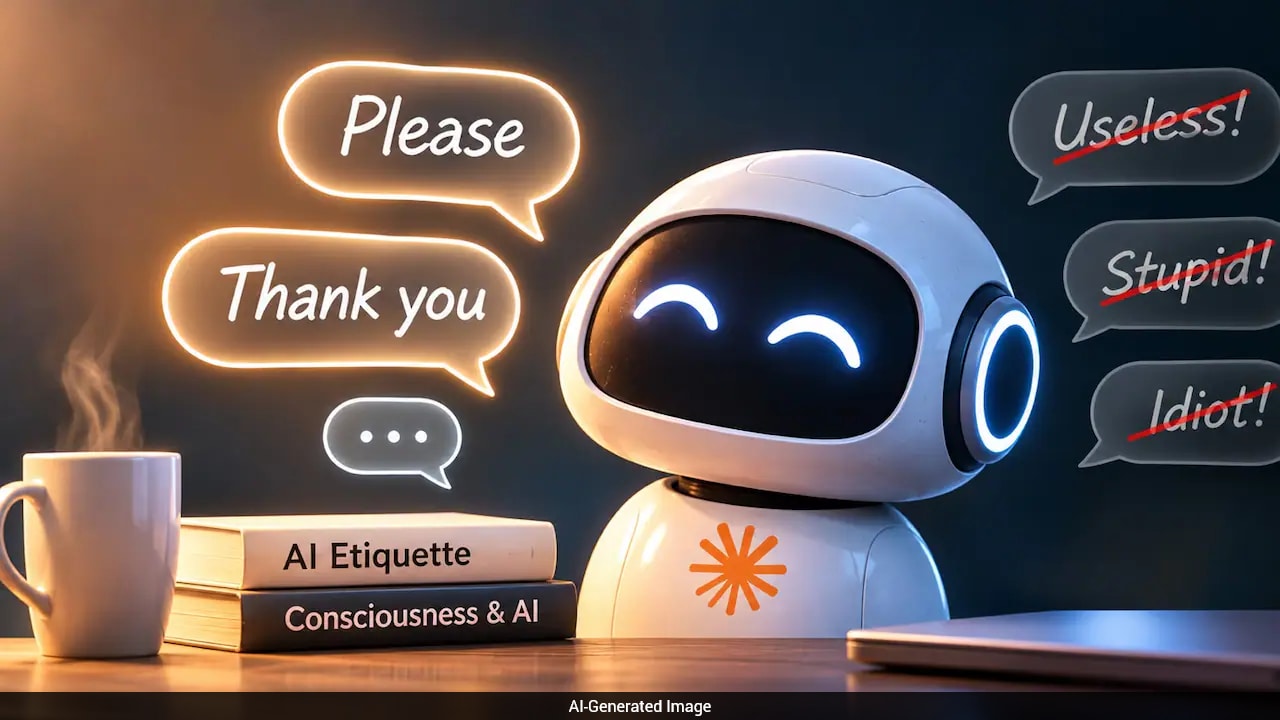
You can't hurt a stack of math formulas by yelling at them. Yet, recent policy changes from companies like Anthropic—prohibiting sustained abusive or cruel behavior toward models like Claude—have triggered a massive online argument. Tech leaders are completely split. Some treat chatbot civility as an urgent moral boundary, while others think policing text prompts is a massive distraction from real issues like data privacy and labor displacement.
So why are we suddenly writing rules for software feelings while real humans wait for basic digital protections? The answer has nothing to do with the machine's inner life and everything to do with ours.
The Real Issue Isn't The Machine
Software doesn't feel pain. Current large language models are pattern-matching engines running on probabilities. They don't possess consciousness, subjective experience, or feelings to hurt. When you hurl insults at an interface, the code simply processes the tokens and generates a polite, text-based pushback or termination of the chat.
The real danger of unchecked cruelty isn't hurting the AI. It's what practicing cruelty does to the user. Behavioral psychologists point out that repeated hostile interactions can desensitize individuals. If you spend hours yelling at an obedient digital assistant because it won't format your spreadsheet fast enough, you're rehearsing patterns of dominance and abuse in a vacuum. Habits leak. The danger is that the emotional muscle memory you build behind a keyboard eventually bleeds into how you talk to coworkers, service workers, and family members.
Why Tech Companies Are Drawing Lines
Platform creators aren't policing chat logs because code has a heart. They're doing it because conversational AI is engineered to simulate empathy and understanding. These systems create powerful parasocial dynamics. When a product mimics human conversation so well that users start treating it like a confidant, partner, or punching bag, the corporate environment shifts.
Companies want to avoid fostering toxic online cultures. If an interface encourages users to vent unbridled rage without consequence, it trains people to view technology primarily as an outlet for hostility. Anthropic's choice to step in when users cross into extreme abuse is less about protecting software dignity and more about establishing baseline boundaries for digital spaces.
The Counterargument Against Artificial Politeness
Critics argue that forcing civility toward non-sentient software creates a dangerous illusion. Anthropomorphizing AI—pretending it deserves kindness or has feelings—misallocates our ethical concern.
When we spend energy debating whether it's mean to scold a chatbot, we ignore structural problems. Algorithms displace human workers, automate creative industries, and gobble up personal data without consent. Pretending software has rights can distract from accountability where it actually matters. Some tech ethicists even warn that treating chatbots like living creatures encourages unhealthy over-attachment to commercial products designed purely to maximize user engagement.
What You Should Do Instead
Stop stressing over whether your late-night frustration constitutes emotional abuse toward a server farm. Focus instead on how you build your daily digital habits. Treat AI like the advanced tool it is—direct, efficient, and entirely neutral. If you catch yourself defaulting to hostility just because there are no social consequences, pause. You aren't damaging the code, but you might be training yourself to be exhausting to everyone else around you.
An AI company set a rule that users must not be cruel to its chatbot
This video provides a quick look at the policy shifts forcing users to reconsider how they talk to everyday artificial intelligence tools.