Global shipping companies almost had a collective panic attack this week. Rumors started swirling that Iran was planning to leverage its position along the Strait of Hormuz to slap massive tolls, insurance fees, and transit tariffs on commercial vessels. Given that nearly 20% of the world's seaborne petroleum squeezed through this narrow choke point before the US-Israel-Iran war erupted in February, any talk of a mandatory toll booth in the gulf sent shockwaves through energy markets.
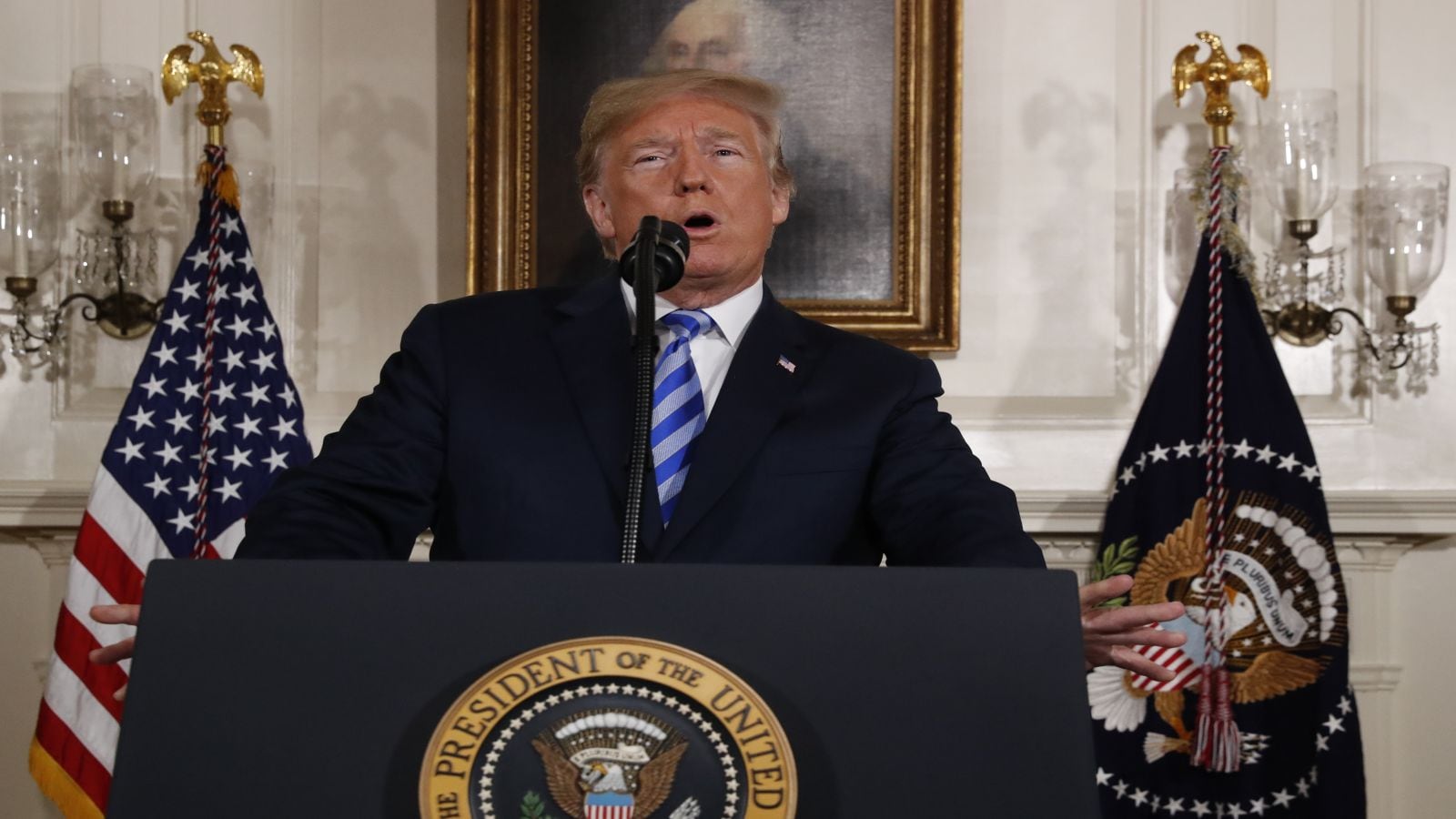
Donald Trump stepped in on Wednesday to cool the temperature. Taking to Truth Social, Trump announced that Tehran offered explicit assurances that no such transit fees are on the table.
"Iran has informed the U.S. that, despite troublemaking Fake News reporting to the contrary, there are 'NO TOLLS, NO INSURANCE COSTS, & NO OTHER CHARGES OF ANY KIND BEING SOUGHT OR RECEIVED BY IRAN ON SHIPS TRAVELING THE STRAIT OF HORMUZ,'" Trump posted. Then came the classic Art of the Deal hammer: "If this is false information, negotiations would end, immediately!"
It's a bold claim, but if you look past the all-caps bluster, the situation on the water is incredibly messy. The ink is barely dry on the initial ceasefire framework signed last week, and the two sides are already publicly contradicting each other on what was actually agreed upon in Switzerland.
The Loophole Threatening the Peace
The panic didn't come out of nowhere. It leaked that a recent draft of the Memorandum of Understanding (MOU) included last-minute amendments giving Iran and Oman a joint role in a new maritime administration for the strait. Iranian state media outlets, like the IRGC-aligned Fars News, instantly began gloating that Tehran had forced major concessions out of Washington.
To make matters worse, the initial public framework guaranteed a 60-day ban on shipping tolls. That explicit 60-day window accidentally created a massive implication: what happens on day 61?
For struggling economies like Iran's, charging thousands of dollars per cargo ship or oil tanker would be an absolute jackpot. For America's Gulf allies, it's an absolute non-starter. Saudi Foreign Minister Prince Faisal bin Farhan al Saud didn't mince words, stating that the region won't accept some "novel arrangement" cooked up as a byproduct of the war. The management of the strait worked perfectly fine before the conflict, and the Gulf states expect a total return to the status quo.
Secretary of State Marco Rubio backed this up, reminding everyone that charging toll fees in an international waterway is flatly illegal under maritime law. Trump's own fix for the day-61 problem is characteristically eccentric. He suggested that if anyone collects fees after the 60 days are up, it'll be the United States charging the Gulf countries for acting as their "Guardian Angel."
How the UN is Smuggling Ships Out Right Now
While politicians argue over who owns the toll booth, shipping companies are busy trying to rescue their assets. The International Maritime Organization (IMO) just launched an emergency evacuation scheme to clear out hundreds of commercial ships and roughly 11,000 seafarers trapped inside the Gulf since the war began.
The IMO scheme sets up two strictly monitored temporary tracks to get ships out safely:
- A northern route cutting straight through Iranian territorial waters.
- A southern route routed through Omani and US-coordinated waters.
According to LSEG ship tracking data, the evacuation has officially started. Smaller dry bulk carriers and cargo ships are already moving. The IMO is begging captains not to crowd the waiting areas, warning that logistics teams will halt notifications if traffic gets chaotic. The US military is actively supporting the operation, providing a protective umbrella as vessels creep out of the danger zone.
The Real Story Behind the Cash Transfer Rumors
Trump also used his announcement to kill rumors that Washington is handed a giant stack of liquid cash to Tehran to keep the peace. "No money has been given to Iran, or released from their money to them, by the U.S.," Trump insisted.
Instead, the administration is recycling an old playbook with a distinct MAGA twist. Billions of dollars in frozen Iranian assets are sitting under US jurisdiction. Vice President JD Vance confirmed that a mechanism designed by Jared Kushner and managed alongside Qatar will allow Iran to use some of that money—but they never touch the actual cash.
The US will release portions of the frozen funds directly to American farmers and ranchers. Washington will buy massive shipments of corn, wheat, and soybeans, which will then be shipped to Iran to address severe domestic food shortages.
It is basically an oil-for-food style program repackaged as a win for the American agricultural sector. By structuring the sanctions relief this way, the White House keeps total control over the liquidity, ensuring the funds can't be diverted to regional proxy groups or military hardware.
What Happens Next
The markets are breathing a sigh of relief for now, but this entire diplomatic framework is built on quicksand. The UN evacuation will take weeks to flush out the backlog of stranded shipping vessels. Meanwhile, the actual face-to-face negotiations are set to resume this Sunday in Switzerland.
If you are tracking global trade or energy portfolios, keep your eyes on the maritime data coming out of Oman and the language coming out of Tehran over the next 48 hours. If Iranian officials publicly dispute Trump's "no tolls" claim on their home turf, this entire ceasefire could collapse before the weekend.