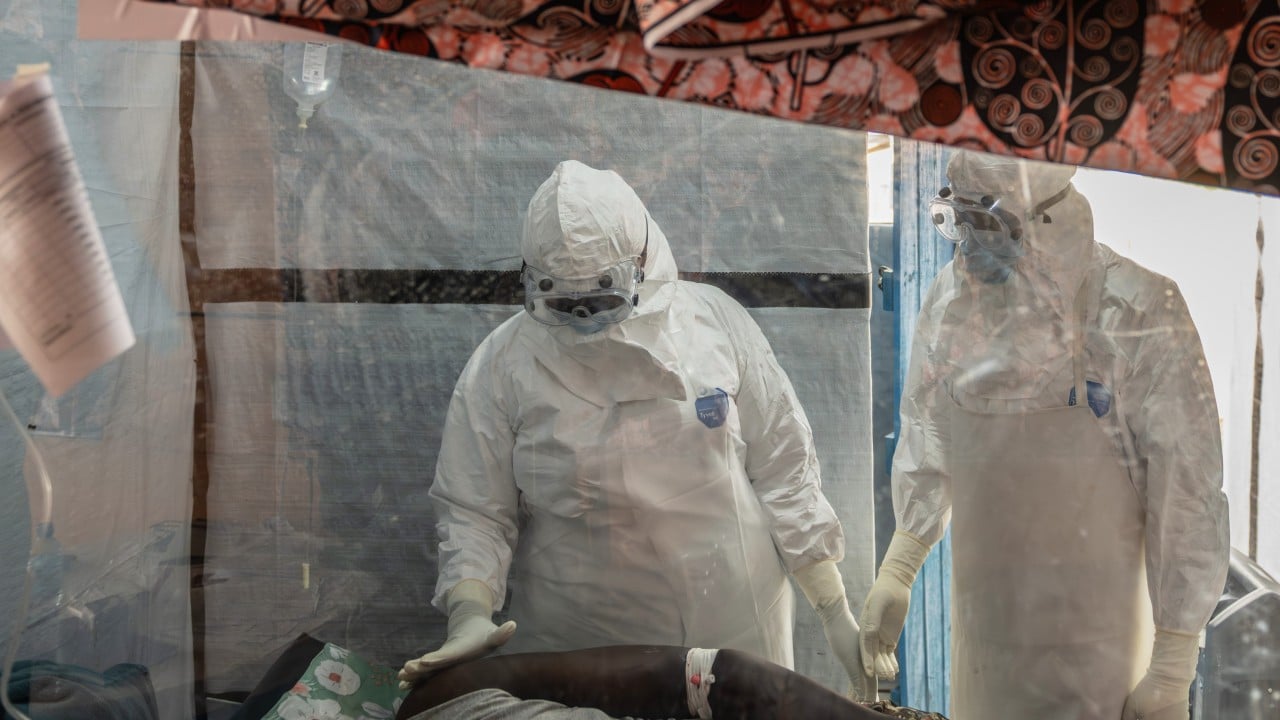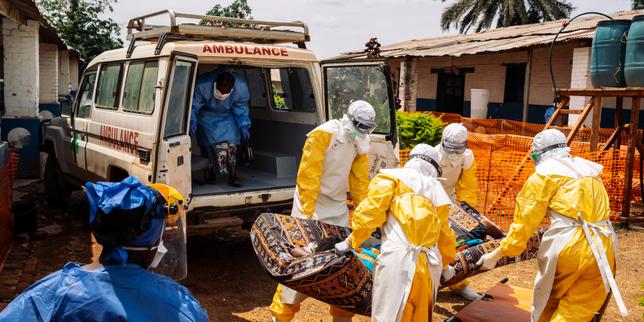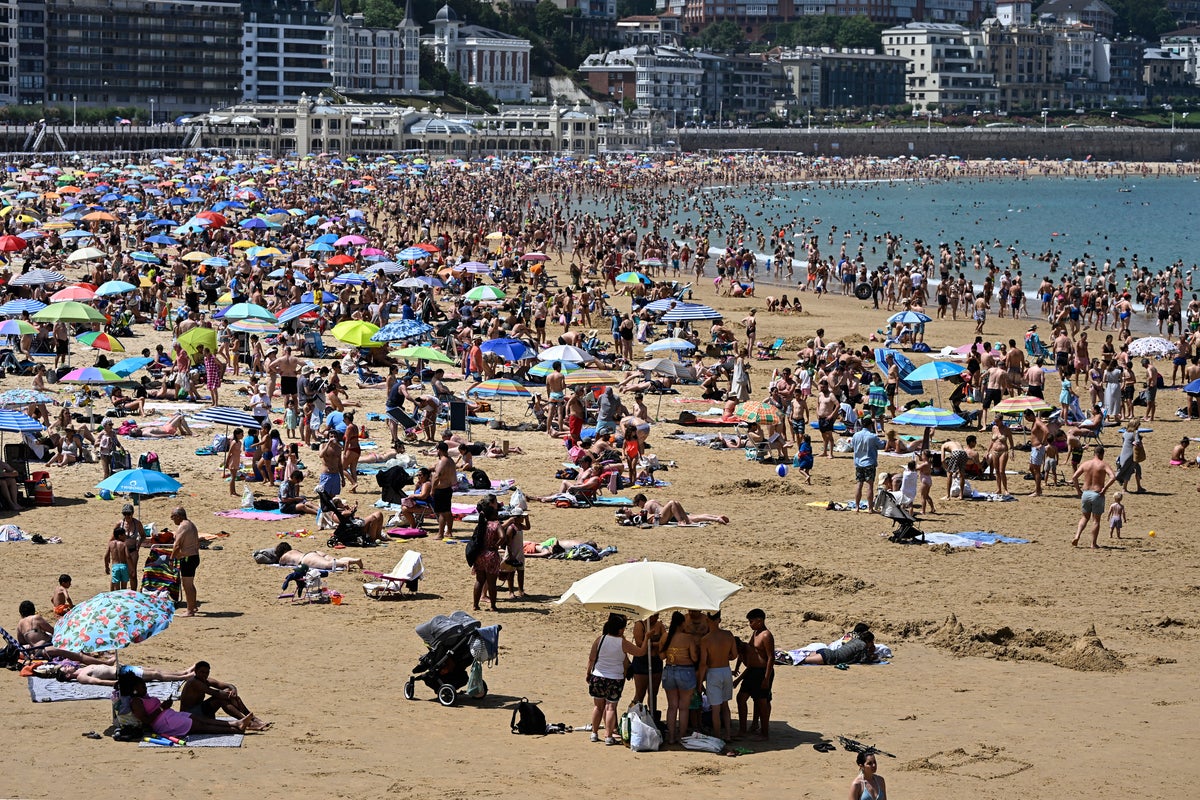
You pack your bags, grab your sunscreen, and head to the coast for a long-awaited Mediterranean or Baltic escape. The European summer heatwave is blazing, and the water looks perfect. But beneath the surface of those warm, shallow waves, a quiet ecological shift is happening. Beach closures in Spain and sudden alerts in the Nordic regions aren't just about standard pollution anymore. They are driven by something far more aggressive.
A waterborne bacterium called Vibrio vulnificus is quietly multiplying along European coastlines. The media loves to use the sensational headline "flesh-eating bacteria" because it grabs clicks, but sensationalism misses the actual point. The microbe isn't an exotic mutant invader. It's an ancient marine organism that has lived in our oceans for millions of years. The real story isn't the existence of the bug itself, but how our rapidly warming, low-salinity coastal waters are turning into an absolute paradise for it to thrive and turn dangerous.
If you plan to swim in European coastal waters this summer, you need to understand what is actually happening. It isn't about avoiding the beach entirely, but it is about knowing how a pinhole-sized scratch can turn into a medical emergency within twenty-four hours.
Why Warm Seas Are Spurring Bacterial Proliferation
The connection between record-breaking heatwaves and bacterial spikes isn't a coincidence. It is basic biology. Vibrio vulnificus thrives specifically when sea surface temperatures climb. The European Centre for Disease Prevention and Control (ECDC) tracks these trends closely, noting that the risk of infection surges dramatically during extended summer heatwaves.
When coastal waters surpass 15°C (60°F), the bacterium wakes up. When the water temperatures push past 20°C or even hit the extreme mid-20s seen during recent European heatwaves, the reproduction rate explodes. In warm, optimal conditions, these bacteria can double their population in less than an hour.
The problem runs deeper than simple heat. The bacterium favors brackish water—places where freshwater rivers meet the salty sea, or enclosed coastal lagoons with low salt levels. Climate change is fueling intense rainstorms and melting ice, dumping massive amounts of freshwater into coastal areas. This lowers the salinity of the sea.
A study presented at the ESCMID Global 2026 conference in April highlighted this exact mechanism. Researchers focusing on Denmark and the wider Nordic region found that warm, low-salinity conditions do something alarming. They don't just help the bacteria multiply. They actually trigger specific genes inside the bacteria that control virulence and movement. The heat makes the microbe healthier, faster, and much better at causing severe human disease.
The Geography of the European Risk Zone
For a long time, severe Vibrio infections were considered a tropical issue or something confined to the Gulf Coast of the United States. That is no longer true. The geographic range is shifting northward at a rapid pace.
The Baltic Sea Bottleneck
The Baltic Sea is essentially a giant laboratory for this phenomenon. It is relatively shallow, warms up fast during the summer, and has naturally low salinity compared to the open ocean. During past heatwaves, like the severe summer of 2018, Baltic nations reported 445 cases of Vibriosis, which was more than triple the usual annual average. Northern European countries bordering the Baltic now see predictable spikes every time a heatwave lingers for more than a few days. People who engage in year-round sea bathing or summer swimming in these northern zones are encountering dense populations of the microbe that simply didn't exist there a few decades ago.
The Mediterranean Pressure Cooker
Further south, the Mediterranean is experiencing its own crisis. Tourism hotspots are seeing beach closures due to bacterial counts. Places like Urbanova Beach and San Gabriel Beach in Alicante, Spain, have faced temporary shutdowns to protect public health. The Mediterranean is warming faster than the global ocean average, transforming its coastal bays into highly hospitable zones for pathogens.
When you combine intense tourism pressure, heavy coastal development, and stagnant, sun-heated water, you create the exact environmental recipe the bacteria need. The European Food Safety Authority (EFSA) explicitly warned that climate change will continue to drive up the prevalence of Vibrio in seafood and coastal waters across Europe.
What the Microbe Actually Does to the Body
We need to clear up the "flesh-eating" myth. The bacteria do not literally wander through the water looking for human flesh to chew on. The medical term for what happens is necrotizing fasciitis, a severe infection where the subcutaneous tissue and fascia—the bands of tissue surrounding your muscles and organs—break down and die at a terrifying speed.
The infection typically starts in one of two ways. You either eat raw, contaminated seafood or you expose a break in your skin to coastal water harboring the bacteria.
[Exposure to Vibrio Bacteria]
       │
       ├─► Ingestion (Raw oysters/shellfish) ──► Gastroenteritis or Primary Sepsis
       │
       └─► Skin Contact (Open wounds/cuts) ───► Necrotizing Fasciitis (Tissue Death)
If you eat raw oysters or shellfish harvested from warm, contaminated waters, the bacteria enter your digestive tract. For a healthy individual, this might just mean severe gastroenteritis, cramps, vomiting, and diarrhea. But if you have underlying health conditions, the bacteria can easily cross into your bloodstream, causing primary sepsis. This systemic infection triggers a massive drop in blood pressure, blistering skin lesions across the body, and septic shock.
The secondary path is through the skin. If you step on a sharp shell, have a minor bug bite, or enter the water with an unhealed scratch, a fresh piercing, or a new tattoo, the bacteria can enter the wound. Once inside the human body, the warm, nutrient-rich environment allows it to replicate. It releases toxins that destroy surrounding tissue, cut off blood supply, and shut down the immune response locally. The infection can spread by centimeters every single hour.
Who Is Truly at Risk
It is easy to panic when reading about deadly marine bacteria, but the risk is not distributed equally. Anyone can get a mild skin infection or stomach bug from Vibrio, but the life-threatening complications—sepsis, amputations, and necrotizing fasciitis—overwhelmingly target specific groups of people.
Your liver is the ultimate gatekeeper here. Vibrio vulnificus requires iron to multiply rapidly in human blood, and the human body normally keeps iron tightly bound to transport proteins. However, individuals with chronic liver disease, cirrhosis, hepatitis, or conditions like hemochromatosis have elevated levels of free iron in their blood. This acts like high-octane fuel for the bacteria. If you have liver damage, you are significantly more likely to develop fatal sepsis from a Vibrio infection.
The danger extends to anyone with a compromised immune system or chronic metabolic conditions. Diabetics, people undergoing chemotherapy, individuals taking immunosuppressive medications, and those with chronic kidney disease face a much harder fight if the bacteria take hold. Older adults also account for a vast majority of severe cases simply because the immune system weakens with age.
The raw numbers are sobering. According to data cited by public health organizations like Gavi, severe Vibrio vulnificus wound infections carry a mortality rate of 20 to 50 percent. If the bacteria manage to enter the bloodstream and cause septic shock, that survival rate drops even lower. Surviving often requires aggressive medical intervention, including multiple emergency surgeries to cut away dead tissue, or the total amputation of a limb to save the patient's life.
How to Protect Yourself Without Forgoing the Beach
You don't need to cancel your European vacation or live in fear of the ocean. You just need to stop treating the sea like a sterile swimming pool. Beach safety requires a realistic understanding of environmental risks, especially during a heatwave. You can drastically cut your chances of infection by following a few clear, non-negotiable rules.
Audit Your Skin Before You Swim
Take a hard look at your body before stepping into coastal water during the summer months. Do you have a fresh scrape from walking on rocks? A bug bite you scratched open? A healing tattoo? A blister on your heel from your sandals? If the skin barrier is broken, you have an open doorway for pathogens.
If you choose to enter brackish water or warm sea surf with a minor wound, you must seal it completely with a high-quality, completely waterproof bandage. Normal adhesive bandages won't cut it. They peel off within minutes of exposure to saltwater and waves. If a wound does get exposed to coastal water, don't just dry it with a towel. Wash it immediately and thoroughly with clean, running fresh water and plenty of soap.
Rethink the Raw Seafood Platter
Eating raw oysters, clams, or mussels during a summer heatwave is a game of Russian roulette with your digestive tract. Oysters are filter feeders. They pump liters of coastal water through their bodies every hour, acting like natural sponges that concentrate whatever bacteria are floating around them.
You cannot smell, see, or taste Vibrio in a raw oyster. Dousing it in lemon juice or hot sauce does absolutely nothing to kill the bacteria inside the meat. The only thing that eliminates the risk is heat. Cook your shellfish thoroughly. Cooked mussels and clams should open during the process; discard any that stay tightly shut. If you are preparing fresh seafood at a beach house, wash your hands meticulously after handling raw items, and keep raw juices far away from cooked food to avoid cross-contamination.
Know the Warning Signs and Act Faster Than Usual
A standard bacterial infection can usually wait for a next-day doctor's appointment. A Vibrio vulnificus infection cannot. Because this pathogen multiplies and destroys tissue at such an extreme velocity, early detection is the literal boundary between a quick recovery and an amputation.
If you have been swimming in coastal waters or handling raw seafood and notice any of the following symptoms, you need to head straight to an emergency room, not a walk-in clinic:
- A minor cut that suddenly becomes intensely painful out of proportion to the injury.
- Rapidly spreading redness, swelling, or heat around a skin scratch.
- The appearance of dark, fluid-filled blisters or purple discoloration on the skin.
- A sudden, unexplained fever, chills, or dizziness within twenty-four hours of a beach trip.
When you arrive at the hospital, tell the triage nurse explicitly: "I have been in coastal seawater with an open wound." Most doctors in northern Europe or non-coastal areas rarely encounter Vibrio and might mistake the early stages for a standard staph or strep infection. Giving them the environmental context allows them to prescribe the correct, aggressive intravenous antibiotics immediately.
The Changing Reality of Coastal Recreation
We are entering an era where beach management and personal health awareness have to change. You can expect to see more frequent beach closures, more flags warning of biological hazards, and more regular monitoring from agencies like the ECDC. The seas are changing because of global temperatures, and the microscopic life inside them is adapting faster than we are. Staying safe doesn't mean hiding from nature. It means dropping the ignorance, respecting the data, and taking basic precautions every time the summer heat starts to boil.