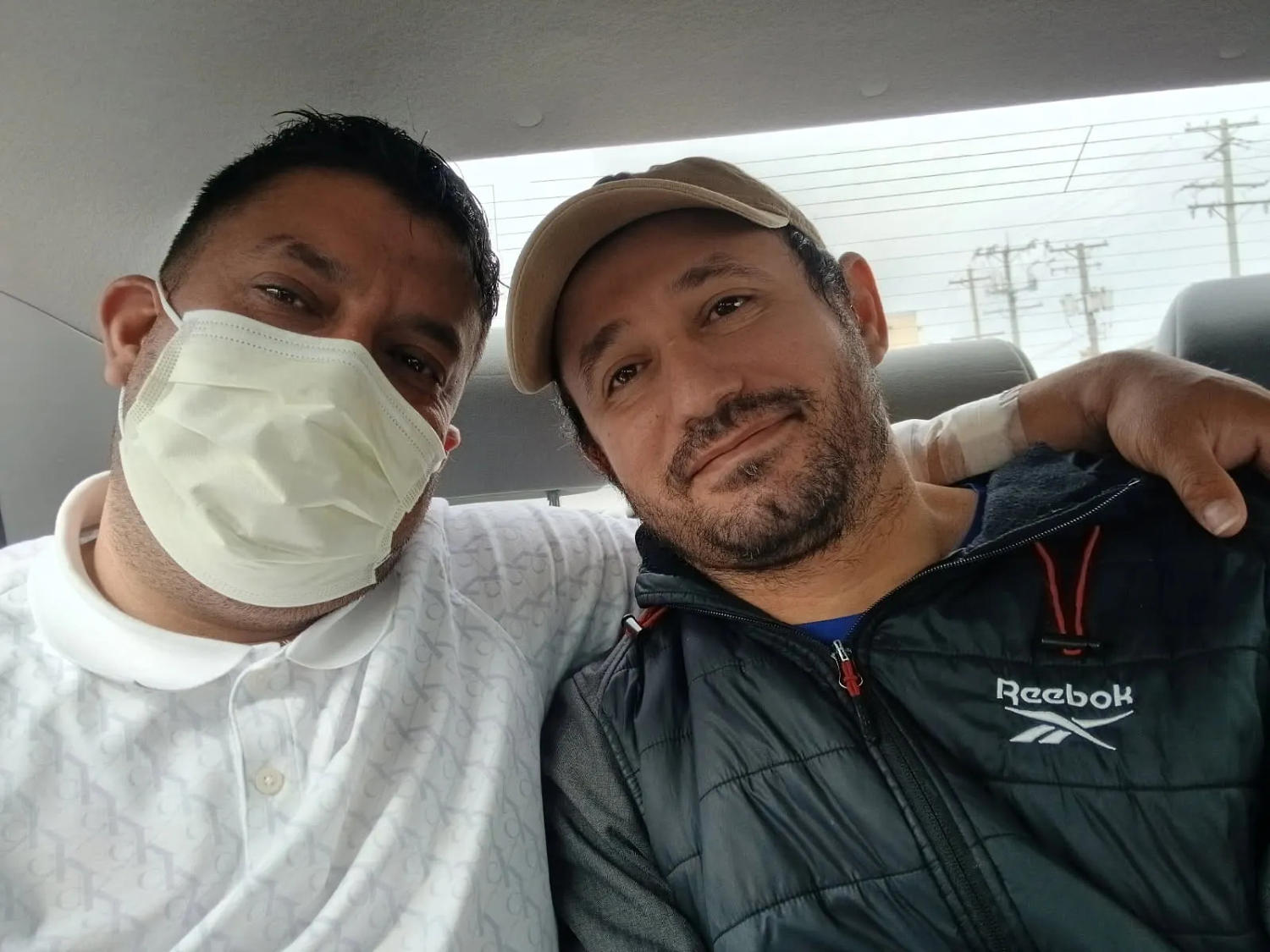
Bureaucracy doesn't care about a beating heart or a matching blood type. When José Gregorio González traveled from Venezuela to the United States, his mission was singular and profoundly human: to give his younger brother, José Alfredo Pacheco, a functioning kidney and pull him back from end-stage renal failure. Instead of medical support, González found handcuffs.
ICE detained González not once, but twice, creating a nightmarish loop of detention that exposes the rigid, often unthinking cruelty of modern immigration enforcement. After a massive public outcry and community mobilization led by organizations like The Resurrection Project, González was initially granted a temporary one-year humanitarian parole in April 2025 so he could successfully complete the life-saving transplant surgery. The surgery happened. The brothers healed. Yet the machinery of deportation churned on, landing González right back in custody despite a record clear of any criminal history.
The Human Cost of Rigid Enforcement
People often ask how an immigration system can justify detaining someone whose only local footprint involves saving a family member's life. The short answer is that federal enforcement agencies operate on removal orders, not moral nuances. González entered the country under supervision with a pending asylum context, specifically driven by his brother's terminal diagnosis. Pacheco required grueling dialysis sessions multiple times a week. Without González, survival odds plummeted.
When ICE agents picked González up outside a Cicero dialysis clinic, they targeted a man with zero criminal background. Lawyers and advocates pointed out the glaring absurdity. Why spend public resources locking up a verified kidney donor? The federal response relies heavily on administrative technicalities. A removal order takes precedence over medical ethics in the eyes of the agency.
What the Headlines Miss About Repeat Detention
Most mainstream reports frame these incidents as isolated flukes. They are not. They represent a systemic pattern where humanitarian relief acts as a temporary band-aid rather than a pathway to permanent stability. González’s re-arrest highlights a terrifying reality for mixed-status families: even after national media attention, successful medical procedures, and local political advocacy from figures like Senator Dick Durbin and Congressman Jesús "Chuy" García, the threat of sudden separation never truly vanishes.
Think about the psychological toll. You donate a vital organ to your flesh and blood, enduring major surgery and grueling physical recovery, only to have immigration authorities sweep in to separate you all over again. It defies basic logic.
Moving Past Performative Outrage
Real justice requires more than a temporary stay or a viral petition. When legal teams fight these detentions, they are forced to navigate a labyrinth designed to ignore compassion. If you want to support families caught in these impossible administrative loops, local grassroots organizations like immigrant defense centers provide the direct legal and financial aid needed to combat deportation orders.
The story of the González brothers isn't just about immigration policy. It's a stark look at what happens when institutions refuse to see the human being standing right in front of them.
ICE detains Venezuelan man released on humanitarian parole to donate kidney to Chicago-area brother
This video details the shocking repeat detention of José Gregorio González following his successful kidney transplant surgery.