Imagine losing your entire immediate family in a single year, rebuilding your life to amass a $20 million real estate empire, and then vanishing because an opportunistic con man decided he wanted it all.
That is exactly what happened to Thelma Jeanette Gaston in 1981. For decades, the public knew how she died and who did it, but her actual resting place remained an unsolved mystery. A random grave in the California desert sat completely unlinked to one of Los Angeles’ most infamous wealth-driven murders.
In May 2026, everything changed. Advanced genetic testing finally connected the dots, proving that a set of skeletal remains found over 40 years ago belonged to the missing millionaire. It ends a bizarre, tragic saga that proves justice doesn't care how much time has passed.
The Bizarre Cat Note and a Greedy Con Man
Thelma Gaston was a sharp, no-nonsense businesswoman. In 1957, her husband died of a sudden heart attack. Months later, her 32-year-old son, a military pilot, died when his jet crashed into a house during a training flight. Wiped out emotionally, Gaston didn't fold. She poured herself into buying repossessed real estate, building a massive fortune worth roughly $20 million by the dawn of the 1980s.
Then came Lawrence Remsen.
He was 39, a former carpet salesman who knew how to smooth-talk older women. He wormed his way into the 80-year-old widow's life, presenting himself as a romantic companion. On June 28, 1981, Gaston disappeared from her Century City-area home. A note taped to her front door claimed she was looking for a missing cat.
Her friends knew immediately that something was wrong. Gaston was too smart to abandon her life over a pet.
Investigators quickly found Remsen’s fingerprints all over her affairs. Literally. He had forged letters using a stolen notary stamp, granting himself power of attorney over her multi-million dollar holdings. He even forged a letter from Gaston claiming she had run away to "have some fun in life". Meanwhile, her Mercedes was sitting at his apartment, and he was actively trying to liquidate over $100,000 from her bank accounts.
Remsen panicked and fled to Mexico. US border agents caught him trying to slip back into Texas a few months later.
A Murder Conviction Without a Body
Trying someone for murder without a body was incredibly difficult in the early 1980s. Remsen tried to play the system. At his trial, he admitted to disposing of Gaston’s body, but claimed she died of natural causes. He swore he panicked, dumped her body into the Pacific Ocean, and then tried to steal her money because she was already gone.
The judge didn't buy the ocean story for a second. The court ruled he killed her intentionally and with malice, with the sentencing judge openly calling Remsen an "incompetent scoundrel". He got a life sentence and went off to prison.
But Gaston was still missing.
Unbeknownst to the Los Angeles Police Department, some firewood gatherers near Sugar Loaf Mountain in Riverside County had stumbled upon skeletal remains in late November 1981. The body was severely decomposed. Because communication between different county law enforcement agencies was notoriously siloed back then, nobody connected the desert bones to the high-profile Beverly Hills-adjacent murder case.
The bones were logged as an unidentified homicide victim and sat on a shelf for decades.
How Othram and Modern Science Fixed a Forty-Year Blind Spot
The breakthrough didn't happen because of a sudden confession. It happened because the Riverside County Sheriff’s Coroner’s Bureau secured a specialized grant for missing and unidentified human remains.
In November 2024, forensic teams exhumed the nameless bones. They extracted DNA samples and shipped them off to Othram, a private forensic genomics lab based in Texas. Using a process called Forensic-Grade Genome Sequencing, Othram’s scientists built a highly detailed profile from the degraded skeletal material.
They ran that profile through public genealogical databases, tracking down family tree branches that eventually intersected with the Gaston family name. Investigators paired that genetic data with old dental records, and by May 2026, they had an official match.
The desert body wasn't at the bottom of the Pacific Ocean like Remsen claimed. He had driven her out to a shallow grave along Highway 74, hoping the desert heat and scavengers would erase his crime forever.
What This Means for Cold Cases Moving Forward
The identification of Thelma Gaston is a massive reminder that no cold case is truly dead anymore. If you're following these types of forensic breakthroughs, the trend is obvious. Private labs and genetic genealogy are systematically dismantling decades of anonymity for both victims and killers.
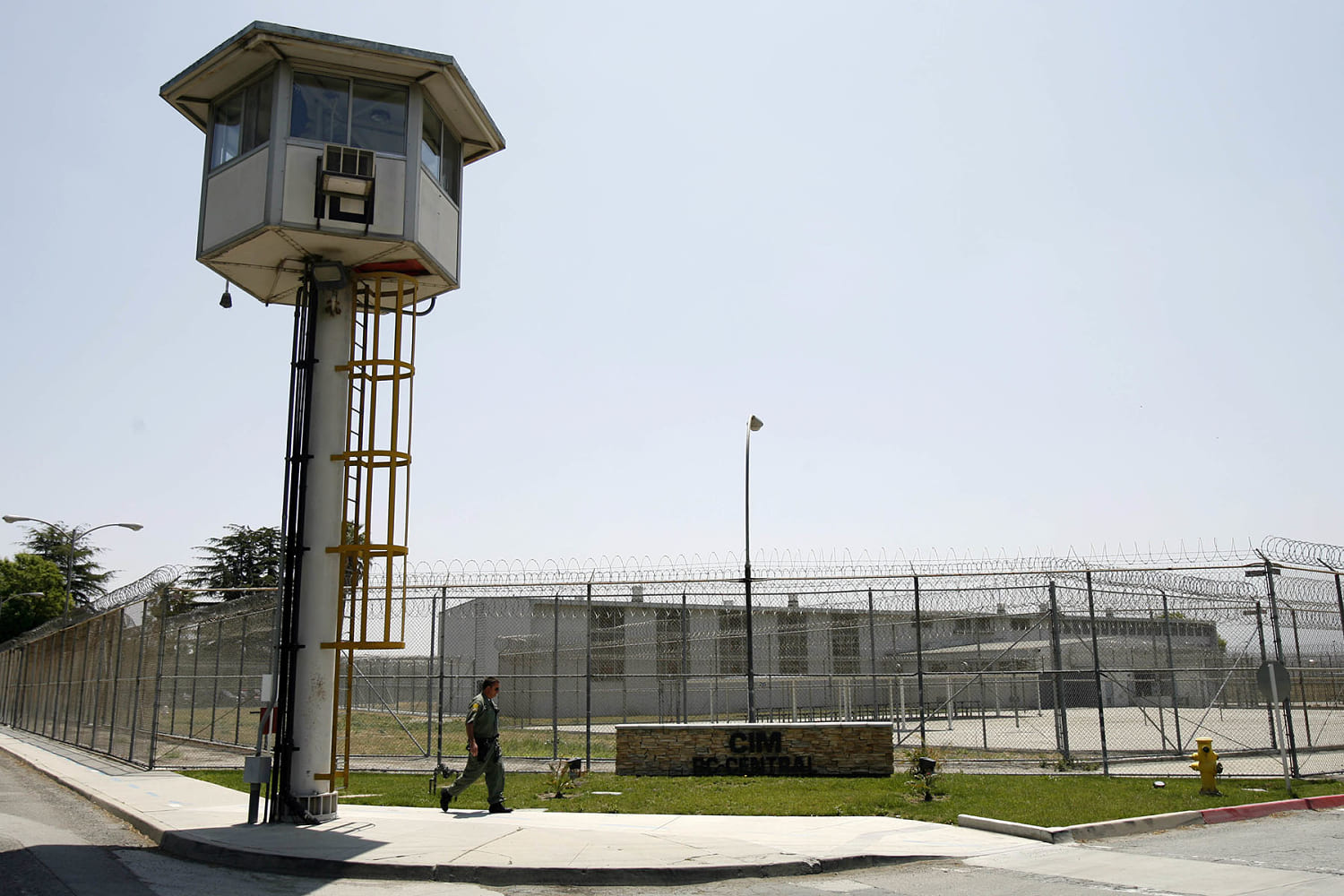
Remsen is currently 83 years old, serving out his life term at the California Institution for Men in Chino. His next parole hearing is slated for July 2028. Thanks to this latest forensic discovery, any slim chance he had at convincing a parole board that he was just a panicked guy who put a naturally deceased woman in the ocean is completely dead. The physical evidence proves he hid her in a shallow desert grave.
If you want to support or track these types of investigations, keep an eye on organizations like the DNA Doe Project or local sheriff cold case units that rely heavily on public crowdsourcing and specialized state grants to fund genome sequencing. Money and time can't hide a crime anymore. Now, Thelma Gaston finally gets her name back.