You think healthcare fraud requires sophisticated hackers or complex financial algorithms. It doesn't. Sometimes, all it takes is a handful of recruiters at a bus stop, a stack of stolen Medicaid cards, and a paper trail disguised as orders of South Asian sweets.
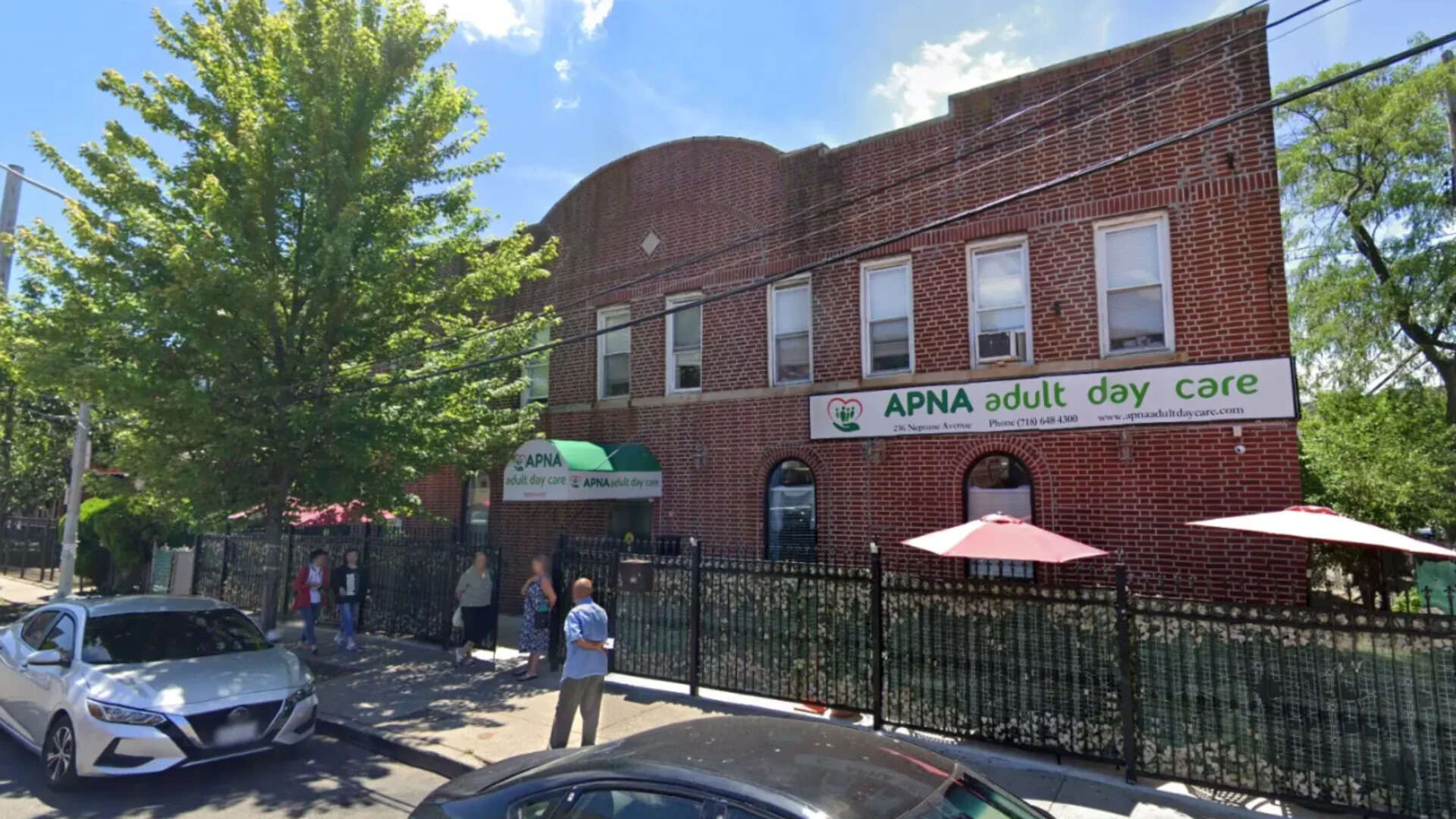
Federal prosecutors in Brooklyn just blew the lid off a massive scam. Pervez Siddiqui, a prominent 78-year-old Pakistani-American businessman, was arrested alongside seven co-conspirators. They're accused of running a brazen $38 million Medicaid fraud ring through two social adult day care centers in Brooklyn.
The details are wild. They didn't just overcharge the government. They billed for people who weren't even in the building. Some weren't even in the country. To keep the cash flowing, they funneled the money through shell companies and hid the transactions under the guise of buying "laddu"—a traditional South Asian dessert.
This isn't just an isolated crime story. It exposes a massive, systemic vulnerability in how New York manages its healthcare safety net.
The anatomy of a massive healthcare fraud
The operation centered around two specific facilities in Brooklyn: APNA Adult Daycare and Ashiana Social Adult Daycare. Between 2019 and late 2025, these centers became cash-generation machines for Siddiqui and his inner circle.
Siddiqui wasn't a shadowy figure operating from the margins. He was a well-known community figure. He owned roughly 15 pharmacies across New Jersey, served on Brooklyn Community Board 13, and rubbed shoulders with top-tier Democratic politicians. He donated thousands to political campaigns and attended high-profile events with city leaders.
His status provided a perfect shield. While he maintained his public image, his network was aggressively exploiting New York's Medicaid system.
The scheme relied on a simple trick. They enrolled hundreds of elderly Medicaid recipients who had absolutely no need for adult day care services. In fact, most of these individuals rarely set foot inside the facilities. But on paper, APNA and Ashiana were packed to the brim. The defendants routinely submitted sign-in sheets and attendance logs that vastly exceeded the legal occupancy limits of the buildings.
Street level recruitment and five hundred dollar bribes
How do you get hundreds of people to hand over their sensitive healthcare data for a scam? You pay them.
The network deployed aggressive marketers and street recruiters to find low-income seniors. These recruiters targeted very specific areas. They went to bus stops. They hung around doctors' offices. They walked through New York City Housing Authority developments.
The pitch was simple. They asked people on the street if they had a Medicaid card. If the answer was yes, they offered a deal. The senior would allow the day care center to use their information to bill Medicaid. In return, the senior received a steady cash kickback of roughly $500 every single month.
It was free money for the participants and pure profit for the operators. The system was so deeply compromised that prosecutors noted some of these "patients" were actually living thousands of miles away. The day care centers were actively billing the US government for senior care while the beneficiaries were physically located in Pakistan or Morocco.
Moving the cash through shell accounts and south asian sweets
When you pull in $38 million in dirty government funds, moving the money becomes your biggest headache. Siddiqui and his co-conspirators setup a complex web to hide the cash.
They hired billing staff based directly in Pakistan to handle the paperwork. This kept the administrative side of the fraud far away from local regulators. Then came the laundering.
The group set up multiple shell corporations to move the illicit proceeds. When transferring money, they had to label the payments to avoid raising red flags with banks. They got creative. They flagged the transactions as "gifts," "dividends," or "medicine."
But the most bizarre label they used was "laddu." They literally disguised multi-million dollar fraudulent transfers as payments for traditional spherical sweets.
The party ended in December 2025 when federal agents executed a series of coordinated search warrants. Knowing the game was up, the defendants didn't go quietly. They immediately attempted to obstruct the investigation. They ordered their employees to destroy evidence, replace their mobile phones, and wipe data from internal systems. It didn't work. The unsealed indictment lists Siddiqui alongside Shazia Bibi (also known as Shazia Wattoo), Abdul Aziz, Shair Ali, and recruiters Zebun Ahmed, Josna Begum, Saira Khatoon, and Atia Shahnaz.
A systemic disaster that keeps repeating across New York
This $38 million bust isn't an anomaly. It's part of a cascading trend of exploitation hitting New York's social adult day care programs.
Look at the recent track record. Just recently, a Brooklyn woman named Zakia Khan pleaded guilty to a staggering $68 million Medicaid fraud scheme involving her own adult day care centers in Coney Island. Before that, two Queens men were hit with charges for an entirely separate $120 million fraud operation that tied a local pharmacy to adult day care centers.
New York spends significantly more on Medicaid per patient than almost any other state. The state's social adult day care system has exploded in size, but oversight has completely failed to keep up. A recent audit by State Comptroller Thomas DiNapoli highlighted hundreds of millions of dollars in highly questionable payments to these programs. The audit found that the state frequently paid out claims to centers that had already been terminated from insurance networks for cause.
The system is practically designed to be exploited. It relies heavily on self-reported, handwritten, or easily falsified sign-in sheets as the primary proof of service. When billions of dollars are flowing through a system that validates transactions via honor-system paperwork, organized fraud rings will inevitably move in.
Real steps to secure the healthcare safety net
Stopping this bleeding requires more than just arresting operators after they've already stolen tens of millions of dollars. The entire infrastructure of adult day care billing needs an immediate overhaul.
First, New York must mandate biometric verification for attendance. If a facility claims a senior is attending a center five days a week, that senior needs to verify their presence via a simple fingerprint or facial scan linked directly to the Medicaid billing portal. This instantly kills the practice of billing for people who are currently sitting in public housing or vacationing overseas.
Second, the state needs to integrate real-time data auditing. Computer systems should instantly flag any facility that submits billing data exceeding its physical building capacity. It shouldn't take a multi-year federal investigation to notice that a building certified for 50 people is suddenly claiming to serve 200 seniors simultaneously.
Finally, there must be stricter vetting for program marketers. The street-level recruitment of Medicaid cards is a known vulnerability. Cracking down on independent healthcare marketers and banning cash incentives for enrollment would severely choke the supply chain that these fraud rings rely on to survive.
The $38 million stolen by Siddiqui's network was money meant to care for vulnerable, low-income seniors who actually need assistance. Instead, it funded luxury lifestyles and foreign shell accounts. Until the state treats Medicaid data with the same security protocols used by commercial banks, the taxpayers will keep foot the bill for the next multi-million dollar scam.