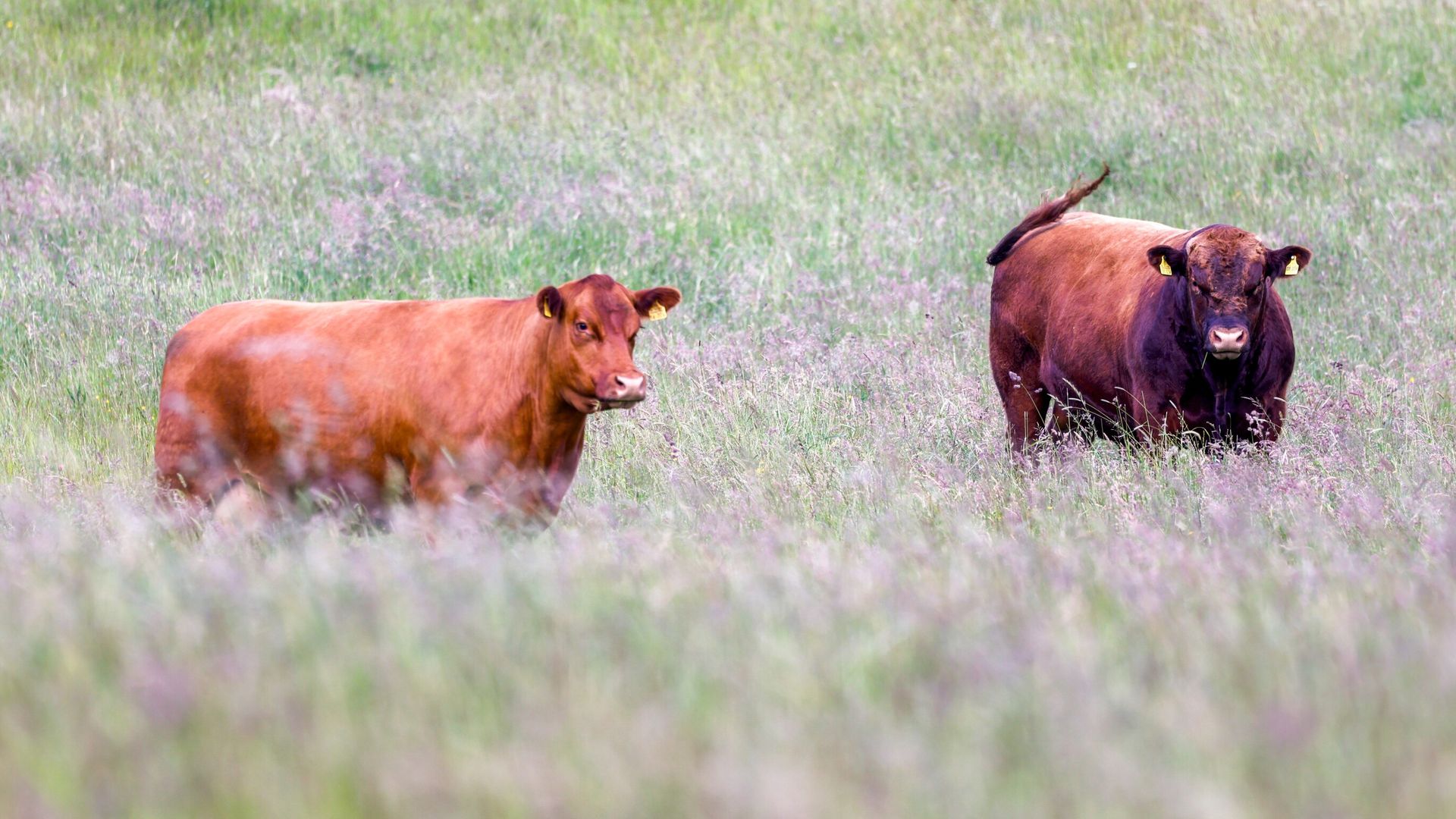
You think of a walk through the British countryside as a peaceful getaway. You pack a flask, lace up your boots, and head out to enjoy the fresh air. But a horrifying incident at a popular National Trust property reminds us that the fields we cross are shared with large, unpredictable livestock. On Monday, July 13, 2026, a man in his 70s died after being trampled by cattle at the Felbrigg Hall Estate in Norfolk.
Emergency services raced to the 520-acre estate near Cromer around 11:45 am. Paramedics tried everything, but the man passed away right there in the field. Now, Norfolk Police and the Health and Safety Executive are running a joint investigation to figure out exactly what went wrong. Felbrigg Hall shut its doors immediately and stayed closed while the community reeled from the shock.
This is not a freak, one-in-a-million accident. It happens more often than anyone wants to admit, and it highlights a massive gap between how we perceive countryside safety and the reality on the ground.
What Happened at Felbrigg Hall
The tragedy unfolded on a bright Monday morning at one of Norfolk's most famous historic properties. Felbrigg Hall is famous for its massive estate, rolling trails, dense woods, and traditional walled garden. Thousands of regular walkers, families, and tourists visit these paths every single week. On this specific morning, an ordinary walk turned fatal when a herd of cattle turned aggressive.
The National Trust expressed deep shock and offered condolences to the victim's family, closing the entire site to visitors. This response makes sense because the public expects managed estates to be completely safe. When someone dies on a designated public trail, it shatters that sense of security.
The official investigation will look at whether the herd included cows with calves, whether a dog was present, and what specific safety signs were in place. But for those of us who use these trails, we cannot wait for a legal report to learn how to protect ourselves.
The Misleading Myth of the Docile Cow
We tend to look at cows as lazy, slow-moving lawnmowers. We see them grazing quietly in a field and assume they do not care about us. This assumption is dangerous. A fully grown cow can weigh up to a thousand kilograms. They can run at speeds of up to seventeen miles per hour. The average human cannot outrun them, especially on uneven, muddy ground.
According to data from the Health and Safety Executive, cattle are actually the deadliest large animals in the UK. On average, four to five members of the public are killed in accidents involving cattle every single year, alongside several farm workers.
Official groups like the National Farmers' Union sometimes downplay these numbers. They point out that billions of visits are made to the countryside each year, meaning your individual odds of an attack are tiny. But that statistic is heavily skewed. Most countryside visits happen in parks, beaches, or towns where people never encounter livestock at all. If you are specifically walking on rural public footpaths through active grazing pastures, your actual risk is much higher than the national averages suggest.
Why Cattle Attack Walkers
Cows do not attack out of malice. They attack out of fear or protection. Research shows that the vast majority of fatal incidents involving the public are caused by maternal instinct. When a cow has a young calf by her side, her defensive aggression spikes dramatically. She views any approaching human, and especially any approaching animal, as a direct threat to her baby.
The single biggest trigger for a cattle attack is a dog. Studies from organizations like the British Medical Journal show that roughly 94% of walkers killed by cattle were accompanied by a dog. To a cow, a dog does not look like a pet. It looks like a wolf or a predator. Even if your dog is perfectly behaved and on a short lead, its presence puts the herd on high alert.
When a herd gets spooked, a chain reaction happens. One cow moves aggressively, and the rest follow. They can easily surround a walker, knock them off their feet, and trample them. Most fatalities do not come from single bites or kicks, but from blunt-force trauma to the chest and head as multiple heavy animals stomp across a fallen person.
The Deadly Math of Countryside Footpaths
The UK has a unique network of public rights of way. These paths cut directly through private land, active farms, and historic estates like Felbrigg Hall. This creates a permanent conflict between land use and public recreation. Farmers need to graze their livestock, and walkers have a legal right to cross the land.
Farmers have clear legal obligations under the Health and Safety at Work Act 1974. They must make sure their business activities, including grazing livestock, do not put the public at risk. Guidelines explicitly state that farmers should not put bulls or cows with young calves into fields that contain popular public footpaths.
Yet, walk through the countryside on any weekend and you will see cows with calves grazing right alongside stile gates. Many farmers simply do not have enough separate fields to isolate their breeding herds from every single footpath on their property. This forces walkers to make split-second safety decisions.
Crucial Safety Rules to Protect Yourself on Your Next Walk
You do not have to stop walking in the countryside, but you do need to change how you handle livestock encounters. If you see a herd of cattle ahead on your path, follow these practical steps immediately.
Evaluate the Herd Before Entering the Field
Do not just blindly follow the yellow footpath arrow through a gate. Stop and scan the field. Look for calves. If you see small calves nursing or resting near the older cows, find an alternative route. It does not matter if it adds twenty minutes to your hike or requires turning back entirely. Walking into a field with defensive mothers is a massive gamble.
Give the Herd a Wide Berth
If you choose to cross, do not walk straight through the middle of the herd. Walk around them. Even if it means stepping off the official line of the public footpath, give the animals as much space as humanly possible. Move quietly and calmly. Do not run, do not wave your arms, and do not make sudden loud noises that might startle them.
Master the Lead Rule for Dogs
If you are walking a dog, keep it on a tight, short lead when entering a field with livestock. This keeps the dog under control and prevents it from chasing the cattle. However, if the cattle notice your dog and begin to advance or charge at you, you must drop the lead immediately.
This sounds terrifying to most pet owners. Your instinct will be to pick your dog up or pull it closer to protect it. Do not do this. The cows are targeting the dog, not you. Your dog can run significantly faster than a cow and will easily escape to safety on its own. If you hold onto the lead, you will be pulled to the ground and caught in the middle of the stampede.
Do Not Try to Be Bold
Ignore old-school advice that tells you to carry a thick walking stick and wave it aggressively at a charging cow. Trying to fight off a one-ton animal with a piece of wood will only escalate their aggression. If they start moving toward you out of curiosity, keep walking briskly and calmly toward the exit. If they threaten you, keep your body facing them and move away backward. Never turn your back and run, as this triggers their instinct to chase.
The tragedy at Felbrigg Hall shows that countryside dangers are very real, even on professionally managed estates. Check your maps, watch the herd, drop the lead if things turn south, and always prioritize your safety over keeping to the exact line of a footpath.


