Twenty-five dollars for a bean and cheese burrito at Hollywood Burbank Airport isn't a normal airport markup. It's a contract enforcement breakdown.
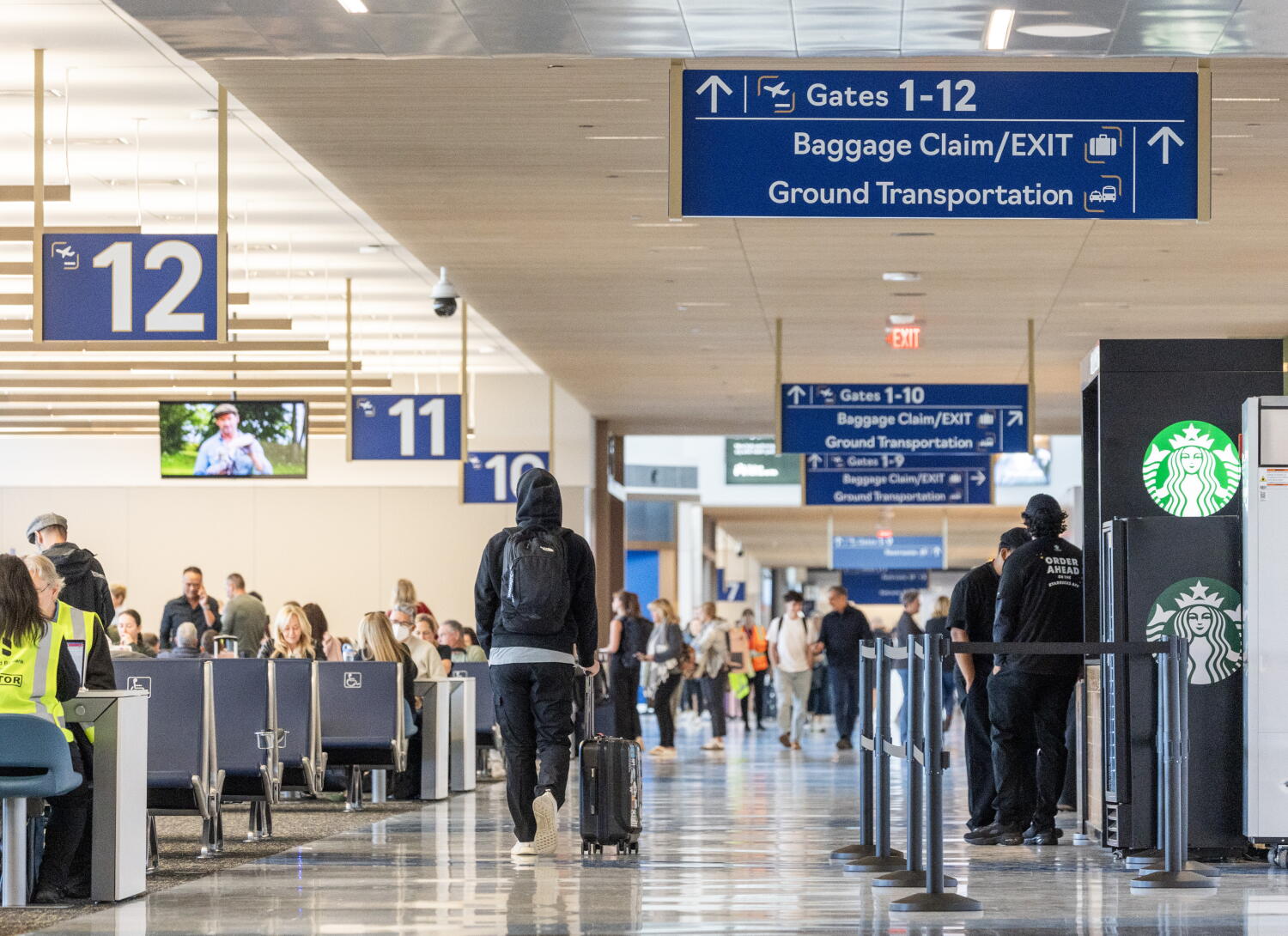
When the airport's new $1.3 billion replacement terminal opened on October 13, 2026, flyers expected sleeker gates and a faster TSA line. Nobody expected sticker shock that made neighborhood burritos and smash burgers look like luxury imports. Now, following formal pushback from the Burbank-Glendale-Pasadena Airport Authority, concessionaire Metropolitan Culinary Services (MCS) has started lowering prices toward the agreement's 15% cap above street benchmarks. For a deeper dive into this area, we recommend: this related article.
Honestly, travelers rarely read airport concession contracts. You shouldn't have to. Yet the fight over Burbank airport food prices shows why "street pricing" rules fail on opening day—and what flyers can actually do before they walk past security.
Why Burbank Airport Food Prices Spiked After Opening Day
People love blaming greedy vendors or "California costs" whenever an airport sandwich crosses twenty bucks. Sometimes airport rent and labor really do squeeze margins. Here, though, the bigger culprit was missing paperwork and delayed compliance. For broader context on this issue, in-depth analysis is available on National Geographic Travel.
Under the concession terms approved in February 2025, food prices at the new terminal were supposed to stay within 15% of approved comparable street prices in Burbank, Glendale, or Pasadena. Sounds simple on paper. In practice, authority staff noted that proposed street-price benchmark restaurants were due well before the October 13 opening, yet MCS hadn't submitted opening-day pricing or proposed benchmark restaurants despite repeated staff requests.
Without locked-in street benchmarks, prices drifted skyward. Flyers and local observers flagged $24.95 bowls and quesadillas at Poquito Mas—items that sell for roughly $12.95 to $15.95 at nearby locations in Burbank, Studio City, and Sherman Oaks, where a 15% ceiling puts maximum allowable airport prices closer to the $16.04 to $18.34 range. Other reports pointed to nearly $30 burgers before sides and roughly $47 tabs for a sandwich and water early on.
That gap isn't just annoying. It's a real credibility hit for a terminal sold on hometown flavor. When a local favorite shows up at the airport at double its neighborhood price, the "hometown" pitch feels hollow fast.
How Street Pricing Works and Where It Breaks Down
"Street pricing" is one of the most misunderstood phrases in travel. Flyers hear "15% above street price" and assume every item costs 15% more than the exact restaurant down the block.
That's rarely how it plays out in real life.
- Benchmark selection matters: Concession contracts often compare items against comparable establishments across a defined city zone rather than a single sister store, or they use specific benchmark lists approved by airport management.
- Modifiers and add-ons stack up: A base item might sit near a cap while combos, specialty proteins, bottled drinks, and taxes push the real check way higher.
- Enforcement lags behind launch: New terminals open under intense operational pressure. If benchmark lists aren't finalized before doors open, overpricing can run for weeks before audits and warning letters catch up.
At the November 16, 2026 Airport Authority meeting, MCS president and co-owner Steve Mora took responsibility for the rollout missteps and said prices at spots like Poquito Mas and West Coast Smash Burger were being adjusted down toward the 15% threshold above non-airport prices. Commissioners still pressed hard on lingering high prices and asked whether flyers who already overpaid had any remedy—a question authority leadership said would need legal review.
Worth noting: A lower base price on the menu board doesn't automatically erase past overcharges, nor does it mean every drink or snack at every counter feels cheap. Always check itemized totals before tapping your card.
Common Mistakes Flyers Make at Smaller Airports
Burbank has a loyal following because it's smaller, quicker, and less chaotic than LAX for many trips. That convenience lulls people into letting their guard down.
The biggest mistake I see travelers make is assuming a smaller airport automatically means saner food prices. Smaller footprints often mean fewer competing food counters per concourse. Less competition means less pressure on vendors when a flight gets delayed or a morning rush hits all at once.
Another trap is grabbing pre-packaged grab-and-go items without checking unit prices. A quick wrap, a bottle of water, and a snack bar can easily creep past $20 or $30 before you even sit down.
Finally, flyers sometimes treat airport food as an all-or-nothing choice: either pay whatever the terminal charges or starve until landing. Neither extreme makes sense when you have a little buffer time.
Smart Ways to Eat Better and Spend Less Flying Out of Burbank
You don't need to pack a five-course picnic to beat terminal markups. A few practical habits save real money on almost every trip.
- Eat or grab takeout before heading to the gate: If you're coming from Burbank, Glendale, Pasadena, or nearby San Fernando Valley neighborhoods, eating beforehand—or picking up food outside the terminal when timing allows—beats paying an airport premium every single time.
- Bring an empty bottle and dry snacks through TSA: Security allows solid snacks and empty reusable bottles, letting you fill up past the checkpoint and skip overpriced bottled drinks.
- Compare menu prices against the 15% benchmark: Now that the Airport Authority is actively pushing compliance and price reductions, compare what you see on the board against typical local prices—and if a charge looks wildly out of line, keep your receipt and flag it with airport customer service or public comment channels.
- Watch the clock on flight delays: Prices hurt most when you're stuck at the airport for hours. Keep a high-protein bar or nuts in your carry-on so a two-hour delay doesn't force an impulse $25 meal.
Burbank's new terminal is a major upgrade for Southern California flyers, and the price rollbacks are a step in the right direction. Still, the best airport food budget is the one you control before you ever reach the register.