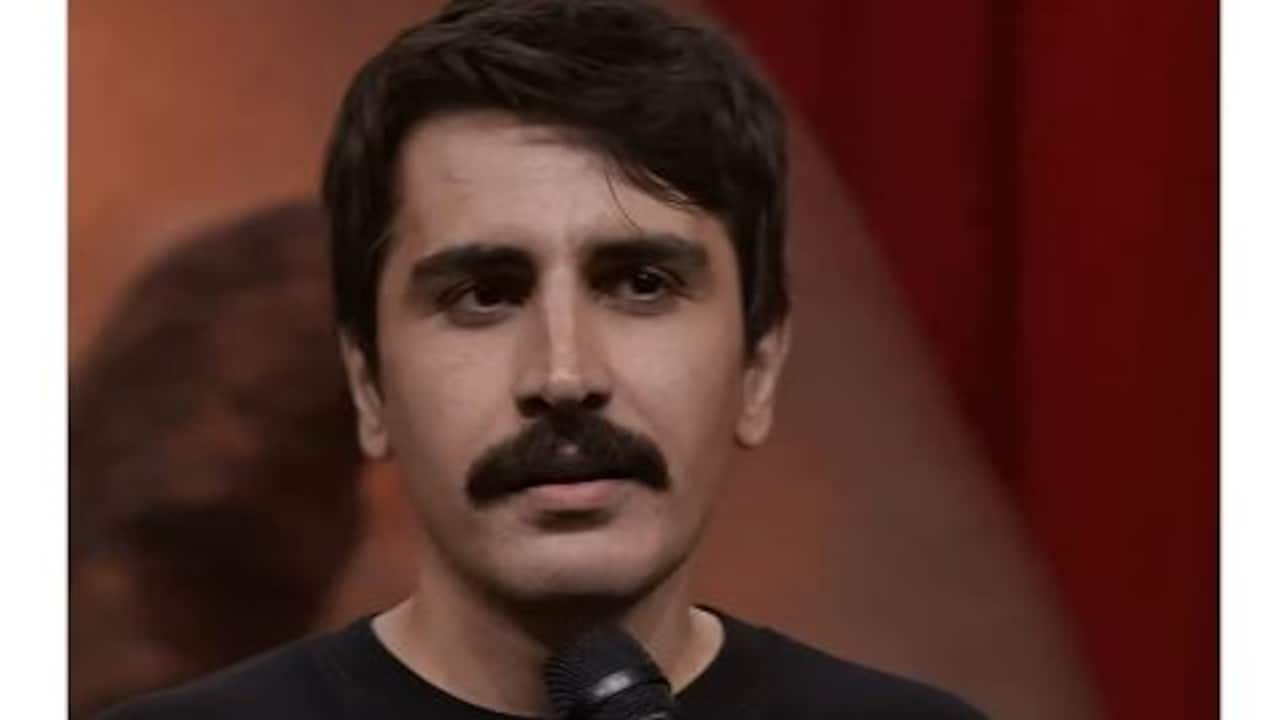
Telling a joke in Turkey has officially become a high-risk profession. On July 2, 2026, Turkish stand-up comedian Deniz Goktas was detained at Istanbul Airport immediately after stepping off a plane from an overseas vacation. Handcuffed and escorted by police, his crime wasn't smuggling or tax evasion. It was a 90-minute comedy special uploaded to YouTube that simply got too popular for the government's comfort.
The show, titled "Olu Deniz" (which translates to "Dead Sea" but doubles as a dark pun on his own name), went completely viral, pulling in over 8.7 million views in just one week. In a country where the state increasingly dictates what you can laugh at, Goktas crossed lines the ruling Justice and Development Party (AKP) spent years drawing. Now he faces a judicial probe under Article 216 of the Turkish Penal Code for "publicly insulting religious values" and Article 299 for "insulting the president."
If you want to understand the reality of free speech in modern Turkey, you don't look at its constitution. You look at its comedy clubs.
The Joke That Triggered 185 Official Complaints
The Istanbul Chief Public Prosecutor’s Office stated it moved against Goktas after receiving 185 complaints through CIMER, the presidential communication center. In a nation of 85 million people, it takes fewer than 200 organized complaints from pro-government trolls to get an artist detained at the border.
What actually happens in the special? Goktas delivers a sharp, politically charged routine. He pokes fun at the political opposition, touches on sensitive domestic issues like the Kurdish and Alevi questions, and addresses religion. Ironically, his "offensive" bit about the Quran actually called it "the best" of all holy books. But nuance is dead in Turkish politics. Pro-government media and conservative social media figures quickly accused him of mocking Islamic values.
The real trigger wasn't just the religious commentary. Goktas openly referred to President Recep Tayyip Erdogan as a "reticent dictator who grew into the role." In a system where the presidency possesses unprecedented executive power, that kind of direct satire is treated as a direct threat to national security. Before police even touched Goktas, authorities used censorship laws to block clips of the show on social media platform X.
Humor as a Criminal Offense
The legal mechanism used against Goktas isn't new. Article 216 of the penal code is a favorite weapon for silencing critics. It carries a prison sentence of six months to a year. According to data from organizations like the US Commission on International Religious Freedom (USCIRF), Turkey is second only to Russia in Europe for using blasphemy-style laws to target minority viewpoints, dissidents, and secular critics.
Goktas isn't even the first comedian hit by this wave this season. Just a few months earlier, in April, female comedian Tuba Ulu was detained for a joke about Ottoman Sultan Suleiman the Magnificent, accused of insulting "historical and moral values." She faces up to three years in prison if convicted.
What makes Goktas' situation distinct is that he knew exactly what was coming. The stage design for "Olu Deniz" featured a giant cardboard cutout of his own head detached and resting on its side—a literal visual representation of a decapitation. He joked openly during the set about the high probability of ending up in jail because of his material.
Why the Crackdown is Escalating Now
This sudden urgency to lock up a comic isn't happening in a vacuum. The state's hypersensitivity coincides with broader domestic crackdowns on opposition politicians, activists, and journalists. When a government feels secure, it ignores comedians. When it feels fragile, it treats a punchline like a political coup.
Historically, Turkish political culture possessed a rich tradition of satire. Even during tense political eras in the late 20th century, political cartoonists and theater actors mocked prime ministers with relative impunity. Today, that space is completely gone. The state treats humor as a criminal matter because humor demystifies power. When millions of people laugh at a leader, the fear required to sustain authoritarian control begins to evaporate.
Prominent cultural figures and opposition parties like the Workers’ Party of Turkey (TIP) have publicly condemned the detention, pointing out that Goktas returned to Turkey voluntarily despite knowing an investigation had begun. He didn't run. He showed up, proving the point of his entire set.
To protect yourself online and track how freedom of expression shifts globally, you need to stay informed through independent watchdogs. Check out the latest updates from the Freedom of Expression Association (IFOD) or track international human rights reports from Amnesty International to see how these legal overreaches affect artists worldwide.