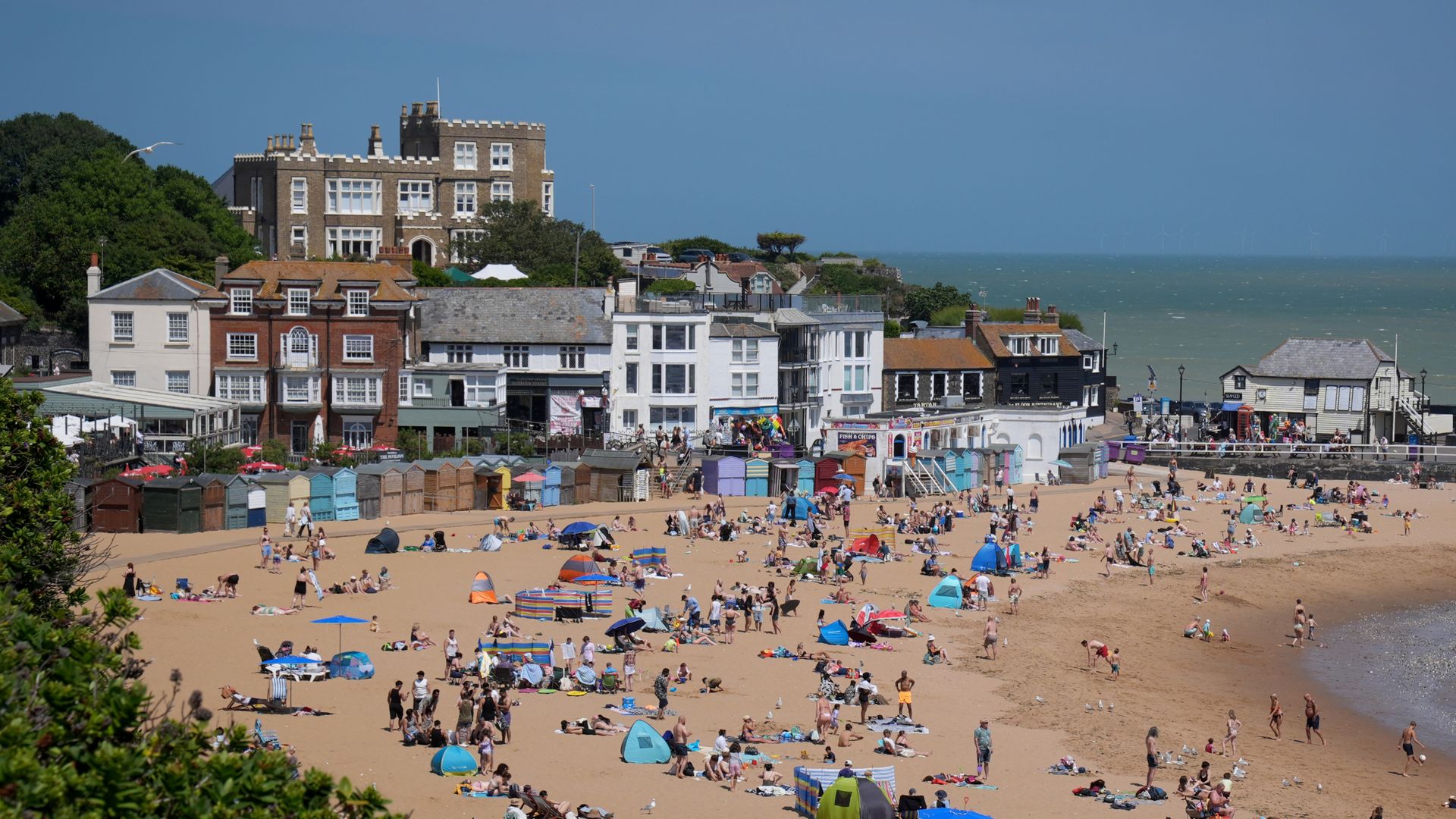
If you’ve been living in a fan-cooled bedroom for the last two weeks, I have good news. That relentless streak of 30°C days is finally coming to an end.
After 13 consecutive days where thermometers somewhere in the UK ticked past that 30°C threshold, the atmosphere is finally shifting. You aren't imagining the heat; 2026 has been an absolute furnace of a summer. We’ve seen 28 days so far this year where temperatures hit at least 30°C—seven in May, eight in June, and 13 in July alone.
But don't pack away your summer clothes just yet. While the "heatwave" label might officially drop off, it’s not turning into a washout.
Why the air feels different now
The reason we’ve been baking is a stubborn area of high pressure that parked itself over us, acting like a lid on a pot. It trapped heat and blocked any cooler Atlantic air from moving in.
Starting this weekend, that high pressure is shifting slightly to the northwest. This subtle move is a big deal. It forces a change in wind direction, pulling in a cooler northerly flow from the north.
Meteorologists at the Met Office expect this to drop daytime highs by about 3°C to 5°C compared to what we’ve felt all week. For most of England and Wales, that means moving from the low 30s into the much more manageable mid-20s. It’s still going to be warm—don't get me wrong—but the "oppressive" quality of the air should finally evaporate.
Will we finally get some rain
If you’re a gardener or a farmer, don’t hold your breath for a drought-busting downpour.
The shift in pressure is bringing us "fresher" air, not a storm front. While there is a slight chance of isolated, hit-or-miss showers in the far south or over parts of Scotland, they’ll be patchy and short-lived. Most of the country will stay bone-dry.
Central and South East England are currently slogging through their longest dry spell this century, with some stations recording zero rainfall for 14 straight days. Unfortunately, the long-range forecast for next week shows high pressure maintaining its grip, meaning we’re likely looking at another dry week ahead.
The hidden cost of this summer
We need to talk about the reality behind these numbers. This isn't just about uncomfortable nights and needing extra ice.
Researchers from Imperial College London and the London School of Hygiene and Tropical Medicine recently analyzed the toll of the 2026 heatwaves. They estimated at least 2,700 deaths linked to the extreme heat this year. Perhaps most sobering, they found that over 40% of those deaths were directly attributable to human-induced climate change, specifically the burning of fossil fuels.
Beyond human health, the landscape is parched. Fire services are on high alert. National Resilience data shows nearly 500 wildfires across England and Wales since January 1. While that’s lower than the 748 seen by this time last year, it’s still significantly higher than the 2022–2024 averages.
How to handle the shift
Even though the heat is easing, you shouldn't let your guard down regarding hydration and sun safety. Here is how to manage the "cool down" effectively:
- Don't ignore the UV index: Even if the air temperature feels cooler, the sun’s power in July remains high. Wear SPF 30+ if you’re out during midday hours.
- Prepare for the night drop: As winds ease and skies clear this weekend, temperatures in rural areas will plummet much faster than in the city. Expect some chilly starts to the day—down into single digits in some northern spots. Keep a light layer handy for the early morning.
- Save water where you can: With many water companies implementing hosepipe bans, treat every drop as precious. If you have a garden, water the roots early in the morning before the sun hits to reduce evaporation.
The "heatwave" might be ending, but the dry summer is clearly far from over. Keep your water bottles filled and stay updated with your local forecast—the weather pattern is still volatile.
This video from the Met Office provides a comprehensive breakdown of the meteorological drivers behind the 2026 summer heatwaves and their ongoing environmental impacts.
http://googleusercontent.com/youtube_content/1