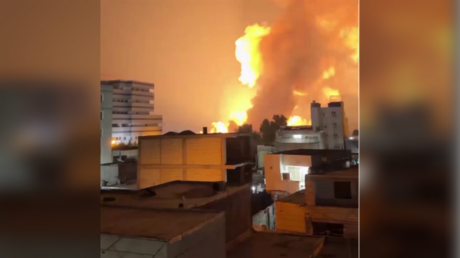
The illusion of peace in the Middle East didn't even last two months. On Tuesday, US Central Command launched what it described as a series of "powerful strikes" against Iranian military targets. The bombardment came just hours after the US Treasury yanked the general license allowing Tehran to sell its oil. We are right back at the brink of all-out war.
If you are wondering why everything fell apart so fast, look at the Strait of Hormuz.
Three commercial tankers—including Qatar Energy's Al Rekayyat LNG vessel and a Saudi crude oil tanker—were struck by projectiles in the strategic waterway. Washington says Iran fired the shots. Tehran points fingers back at Western provocation. But the reality is simpler: neither side ever agreed on who actually controls the world's most critical energy choke point.
The Performance Based Trap
When Washington and Tehran signed a memorandum of understanding last month to extend their ceasefire for 60 days, it was hailed as a diplomatic breakthrough. It wasn't. It was a performance-based band-aid.
The Trump administration made it clear that Iran would only reap the benefits of oil export waivers if they exhibited "good behavior." But good behavior means entirely different things in Washington and Tehran. For the US, it means letting commercial traffic flow freely through the international waterway. For Iran, any permanent return to pre-war shipping arrangements without total sanctions relief is a non-starter.
Look at what happened right before the missiles started flying. The price of Brent crude surged past $76 a barrel, a two-week high. Markets hate uncertainty, and right now, the rules of maritime engagement are completely gone.
The Omani Corridor Flashpoint
The real friction isn't just about the oil. It's about geography.
Ever since the wider conflict broke out earlier this year, Iran has choked off the central shipping lanes of the strait. To bypass this, the UN and the US Navy attempted to establish an alternative route hugging the coast of Oman.
[Persian Gulf] -> [Strait of Hormuz (Contested)] -> [Gulf of Oman]
                         |
             (Proposed Omani Corridor)
Iranian military officials, including Mohsen Rezaei, saw this Omani corridor as a direct threat. They believe the US wants to permanently route its warships through these waters and break Iran's historic leverage over the Gulf. Iranian analysts have been blunt: Tehran will wreck the ceasefire memorandum before they give up control of the strait.
Tuesday's tanker attacks targeted vessels trying to utilize these alternative maritime corridors. It was a clear, violent signal from the Islamic Revolutionary Guard Corps (IRGC) that no ship passes without their permission.
What Happens Next
The US military claims this latest round of airstrikes targeted missile sites, drone locations, and coastal radar units, hitting roughly eight times more targets than the minor skirmishes seen last week. Yet, history shows that bombing radar sites rarely deters asymmetrical naval warfare. Iran has hundreds of fast-attack boats, sea mines, and GPS jamming tools ready to deploy.
If you're tracking global energy markets or supply chains, here are the immediate realities you need to watch:
- Shipping Rates Will Rocket: Maritime authorities already raised the threat level in the region from "substantial" to "severe." Expect insurance premiums for Gulf-transiting vessels to spike by tomorrow morning.
- The Nuclear Talk Mirage: While US officials claim negotiators are still working in good faith toward a permanent deal, you can ignore the rhetoric. You can't negotiate a nuclear cap while trading cruise missiles in the Gulf.
- A Prolonged Energy Squeeze: With Iran's oil waiver revoked and tankers under fire, oil is heading back toward the $80-90 range if a naval escort system isn't rapidly formalized.
The ceasefire isn't officially dead, but it's on life support. Washington tried to use oil sales as a leash to manage Iranian behavior. Tehran just proved they're willing to bite the hand that holds it, even if it means taking another round of Tomahawk missiles to the chin.