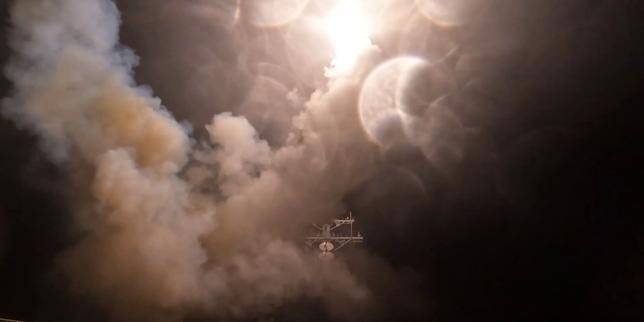
You dress up, grab a few friends, and head out for a night of live music. You expect a high-energy crowd, cold drinks, and a great vibe. You don’t expect to fight for your life in a dark, toxic, smoke-filled trap.
The devastating fire at the Rong Beer Na Ladprao bar in Bangkok's northern Chatuchak area has officially claimed 32 lives. Two more victims recently passed away in the hospital, while 15 others remain in intensive care fighting for survival. This is Bangkok’s deadliest nightlife disaster in 17 years, drawing immediate, painful comparisons to the 2009 Santika Club fire that killed 67 people.
We keep seeing the same horrific headlines. The venues change, but the fatal mistakes remain identical. If you think this is just a freak accident unique to Thailand, you're missing the bigger picture. Nightclub and bar tragedies follow a predictable, systemic pattern of neglect that happens worldwide when safety is treated as an optional expense.
What Really Happened Inside Rong Beer Na Ladprao
On Sunday night, the popular beer hall was packed. Witnesses described a normal evening that turned into pure terror in less than three minutes.
The trouble started near the stage. Natthaphong Lakhorn, a 26-year-old survivor who was sitting near the front, recalled seeing white smoke drifting from the stage area. Like many in the crowd, he initially assumed it was just dry ice or a theatrical fog effect.
Then the power cut out.
[Electrical short circuit in AC/ceiling]
       │
       ▼
[Sparks ignite flammable acoustic stage foam]
       │
       ▼
[Rapid, toxic smoke fills windowless venue]
       │
       ▼
[Power blackout triggers mass panic & bottlenecks]
In total darkness, panic set in. Investigators believe an electrical short circuit in a ceiling air conditioning unit sparked the blaze. The sparks instantly ignited the highly combustible acoustic foam used to soundproof the stage. This material doesn't just burn; it acts as an accelerant, melting and raining down fire while releasing highly toxic, black smoke.
Most of the victims didn't die from burns. They died from smoke inhalation. The toxic fumes engulfed the entire single-story venue within minutes, choking patrons before they could even locate an exit.
The Fatal Traps That Blocked Escape
When the lights went out, people ran. But they had nowhere to go. Rescuers found a heartbreaking scene, with many of the deceased clumped together in the venue's windowless bathrooms.
When a fire erupts near the main stage, people instinctively flee in the opposite direction. At Rong Beer Na Ladprao, that flight path led straight into a dead end. Patrons crowded into the bathrooms hoping to find an exit or escape the heat, only to become trapped as the air turned toxic.
The investigation has quickly exposed several critical safety failures:
- Invisible Exit Doors: While there were technically two functioning exit doors, one was designated "staff only" with no emergency signage. Prime Minister Anutin Charnvirakul publicly questioned this setup during his visit to the scene, noting that patrons had no idea the door could be used to escape.
- Locked Exits to Prevent "Dine and Dash": Rescuers and officials noted that one of the potential escape doors appeared to be locked. In many nightlife venues, management locks secondary exits to prevent customers from slipping out without paying their bills. This financial safeguard easily turns into a death sentence.
- Illegal Operations: It has since emerged that Rong Beer Na Ladprao was not licensed to host live music, despite doing so regularly. Because it operated outside its proper classification, it avoided the stricter safety systems required for venues hosting large crowds and live performances.
The True Cost of Negligence
While the government has promised a sweeping, nationwide inspection of all entertainment venues, the immediate aftermath for the victims' families is a grim exercise in bureaucratic frustration.
On Wednesday, survivors and grieving family members gathered at the Phahonyothin Police Station. They weren't just there to give statements; they were trying to recover personal belongings left behind in the scramble and figure out how to pay for funerals.
Kanticha Singkhon, 25, was at the station to collect the handbag of her mother, who perished in the fire. Now suddenly responsible for her younger brother, Kanticha expressed deep frustration with the venue's owners. A lawyer representing the bar owners announced an initial compensation offer of 10,000 baht—roughly $300 USD—per family.
"It's not even enough money for a funeral," Kanticha said. "I had to take out a loan just to arrange my mom's service. Nobody has contacted me directly."
How to Protect Yourself in Crowded Venues
You shouldn't have to audit a business's electrical wiring just to enjoy a night out. But relying solely on local enforcement can be a gamble. Here are three practical, non-negotiable safety habits you should adopt the next time you walk into a crowded bar or club:
- Locate Two Exits Immediately: When you walk into any venue, don't just look for the bar or the stage. Find the main exit you came through, and actively look for a secondary escape route. If a fire starts near the main entrance, you need to know exactly which wall to head toward.
- Watch the Ceiling and Stage: If you see sparks, smell burning plastic, or notice a sudden, unexplained flicker in the house lights, don't wait for an announcement. If the band suddenly stops playing or looks confused, start making your way toward an exit immediately.
- Avoid the Bathrooms during an Emergency: It is a natural instinct to seek shelter in a bathroom when things go wrong. Don't do it. Bathrooms in commercial venues rarely have exterior exits or windows, and they quickly turn into toxic gas chambers as smoke rises and fills the room. Keep moving toward the actual building exits.