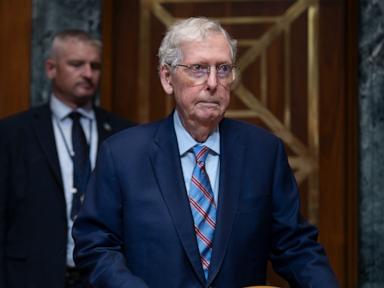
Mitch McConnell is back in a hospital bed, and the public is getting almost nothing but vague platitudes from his staff.
Last month, on June 14, the 84-year-old Kentucky Senator was quietly admitted to an undisclosed medical facility. At the time, his office offered a bare-minimum statement saying he was "receiving excellent care." A week later, another brief update confirmed he wouldn’t be voting. By early July, as the Senate took its scheduled recess, his team released yet another formulaic memo: McConnell "continues to improve" and "appreciates the outpouring of support he's receiving while he continues his recovery in the hospital."
That's it. No specific diagnosis. No explanation for why a routine checkup or minor ailment has stretched into a multi-week, institutional stay. No timeline for his return to the Capitol.
This isn't just about an elderly man's right to medical privacy. When you're a towering figure in a razor-thin Senate majority during a high-stakes election year, absolute silence isn't a strategy. It's a massive political liability.
The Long History of Kept Secrets
We've been down this road before with the former Republican leader. For years, McConnell’s physical vulnerabilities have played out in a cycle of sudden absences followed by tightly controlled press releases.
To understand why this current stay is raising alarms, you have to look at the pattern of his recent health battles:
- 2019: A severe fall at his home in Louisville resulted in a fractured shoulder and major surgery.
- March 2023: A trip-and-fall at a Washington hotel left him with a concussion and a fractured rib. That incident kept him away from the Senate floor for nearly six weeks and required intensive inpatient physical therapy.
- Summer 2023: The world watched in real-time as McConnell twice froze blankly at microphones during press conferences—once in Washington and once in Kentucky. His staff blamed lightheadedness from concussion recovery, while the Capitol's attending physician, Dr. Brian Monahan, cleared him without releasing a definitive neurological diagnosis.
- February 2026: Another abrupt hospitalization, this time chalked up to a "flu-like illness."
- June 2026: His current, unexplained multi-week hospital stay.
Add in his childhood battle with polio, which has impacted his gait and balance for decades, and it's clear his physical state is fragile. He's frequently used a wheelchair to navigate the Capitol corridors over the past year. Yet, his team treats these major medical events like minor scheduling disruptions.
The Mirage of Accountability in Washington
Washington has a long, bipartisan tradition of hiding the physical decline of its leaders. We saw it with Dianne Feinstein’s prolonged absence. We've seen it with multiple presidents throughout history.
McConnell stepped down from his historic run as Republican leader last year, but he didn't retire. He’s serving out his final term, which ends in January. He still wields immense backroom influence, and his vote matters right now.
When a senator goes missing for weeks without an explanation, it creates a functional vacuum. Senate Republicans are navigating a brutal legislative calendar. Every single vote counts. By withholding basic facts—like whether this is a neurological issue, a physical injury from another fall, or an infection—McConnell's office forces the public and his colleagues to assume the worst.
Voters aren't asking for his complete, unredacted medical charts. They’re asking for basic clarity. Is he capable of casting votes when the Senate returns from recess? Will he finish his term?
What This Means for the Senate Balance
The timing of this prolonged hospitalization couldn't be worse for the GOP. With the midterms looming, the legislative branch is hyper-reactive to any shift in numbers. If a senator is incapacitated, it completely shifts the leverage on committee assignments, judicial confirmations, and must-pass spending bills.
The strategy of releasing identical, optimistic press blurbs every Thursday is failing. It doesn't project strength; it signals a defensive operation trying to buy time.
If you want to track how this impacts the actual mechanics of Congress, don't look at the press releases. Watch the Senate floor when the recess ends. If McConnell isn't there to cast his votes, the pressure on his camp to stop stonewalling will become unbearable.
The next step isn't waiting for another polished statement from an aide. It's demanding a clear confirmation of whether Kentucky's longest-serving senator can actually finish the job he was elected to do.